“Buy once, own forever” has become one of the biggest selling points behind crypto domains. Unlike traditional domain names, which usually need to be renewed to remain registered, some blockchain-based names are marketed as a permanent purchase. But that claim comes with important distinctions. Not every crypto domain follows the same ownership model, and keeping a name indefinitely does not necessarily guarantee continued access, universal support, or exclusive use. Before taking “permanent ownership” at face value, it is worth understanding what the buyer actually gets and how the fine print can change it.
What Does “Permanent Crypto Domain Ownership” Actually Mean?
In this context, permanent ownership usually means a blockchain-based name can remain under the owner’s control without recurring renewal fees. Instead of renewing a registration every year or after a fixed term, ownership is recorded according to the rules of the underlying blockchain and naming system.
However, “permanent” does not mean “unconditional”. It may describe how long the ownership record remains valid, but it does not guarantee that the name will always be accessible, supported by every service, unique across every naming system, or valuable.
The key is understanding exactly what the provider or protocol means by “permanent.” Some systems offer non-expiring ownership, while others use renewable registrations. Even when a name does not expire, other conditions can still affect the owner’s ability to access or use it.
First, Check Whether the Domain Is Actually Permanent
The first thing to understand is that not all crypto domains are permanent. Blockchain technology does not automatically eliminate expiration or renewal requirements. Each naming system sets its own rules for how names are registered, maintained, and transferred.
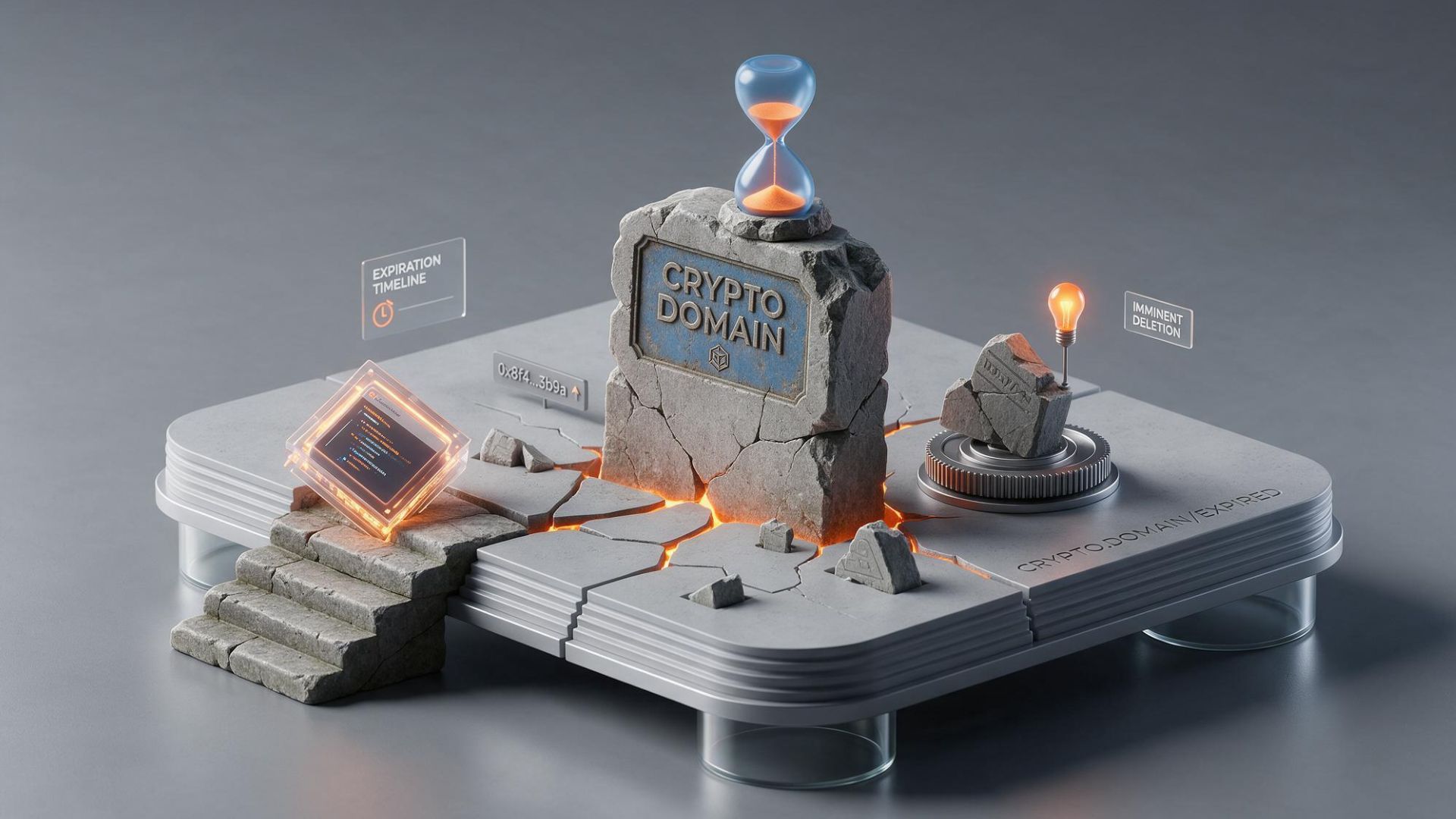
For example, ENS .eth names are registered for a specific period and must be renewed to remain under the registrant’s control. If a name is not renewed, it can eventually become available for someone else to register. Other Web3 naming systems use a different model in which certain names can be acquired without recurring renewal fees once ownership is established.
This is why buyers should not assume that every crypto or Web3 domain follows a “buy once, own forever” model. The specific naming system, extension, and ownership terms determine whether a name expires.
Permanent Ownership vs. Renewable Registration
| Permanent Ownership Model | Renewable Registration Model | |
| Renewal requirement | Some models do not require recurring renewal | Renewal is required to keep the registration active |
| Expiration risk | The name may not expire under the system’s ownership rules | The registration can expire if it is not renewed |
| Main responsibility | Protecting access and understanding the ownership rules | Managing renewals and maintaining access |
| What to check | Ownership model, custody, and protocol rules | Registration period, renewal fees, and expiration rules |
What the Fine Print Can Change
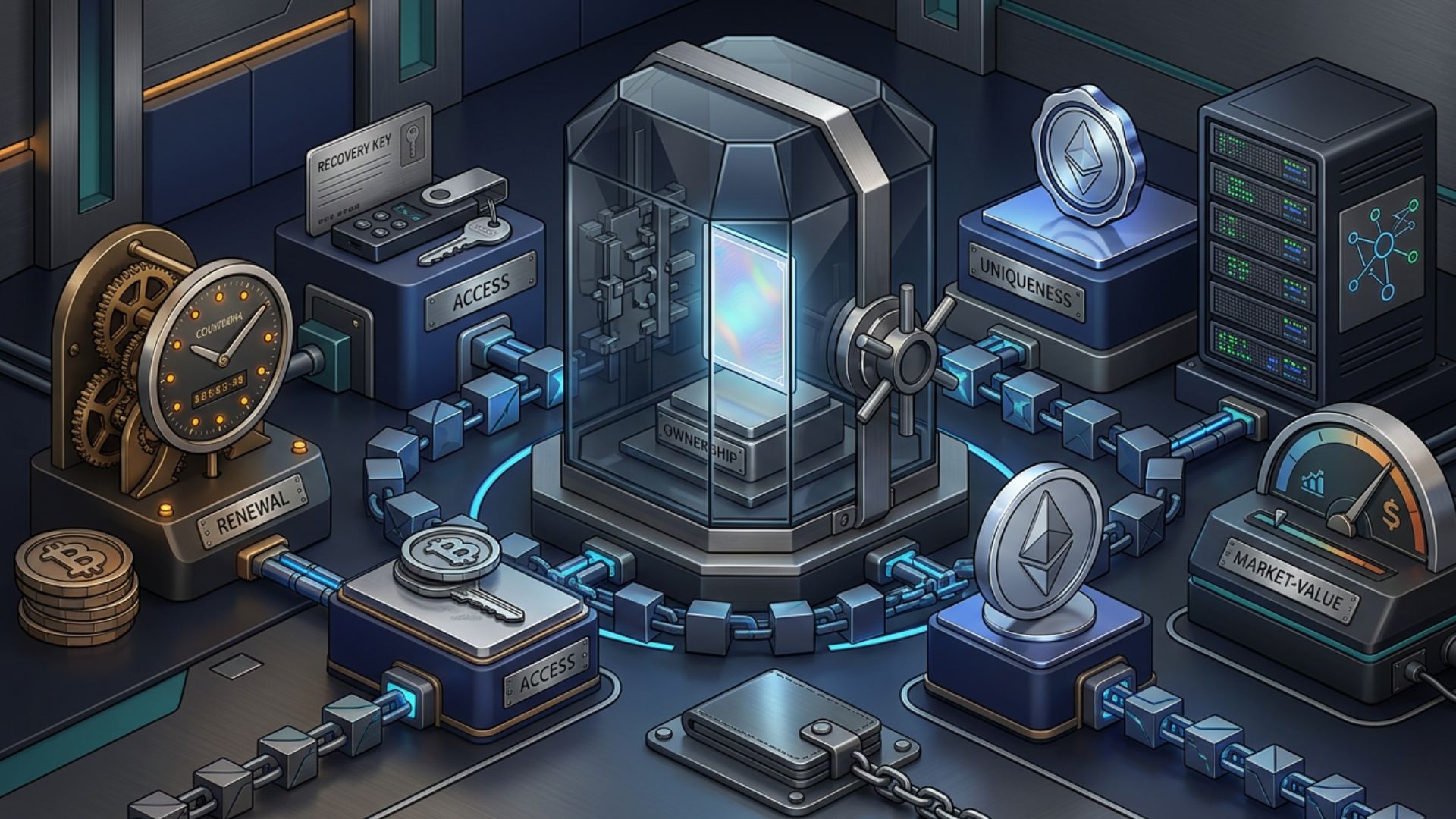
A non-expiring registration does not eliminate all risks or limitations. The rules behind a crypto domain can affect access, control, uniqueness, usability, and value.
You Can Own It Forever and Still Lose Access
A crypto domain may remain linked to a wallet indefinitely, but access depends on control of the wallet’s credentials. If a self-custodied wallet is lost and the private key or recovery phrase cannot be recovered, access to the name may be permanently lost. The same can happen after an irreversible transfer or wallet compromise. Self-custody gives the owner direct control, but also places responsibility for protecting that access on them.
Permanent Does Not Mean Unique Everywhere
Ownership applies within a specific naming system or namespace. Buying a crypto domain in one system does not automatically grant the owner exclusive rights to the same name in other blockchain naming systems or in traditional DNS. The same name can exist in different extensions or namespaces, creating potential naming collisions that matter for branding and identity.
Ownership Still Follows the System’s Rules
A crypto domain operates according to the smart contract, protocol, and ownership rules of the underlying system. Those rules determine how the name is registered, transferred, managed, and, in some cases, recovered. Different naming systems can use distinct models, which is why the word “permanent” alone does not capture the full scope of ownership.
Ownership Does Not Guarantee Permanent Usability
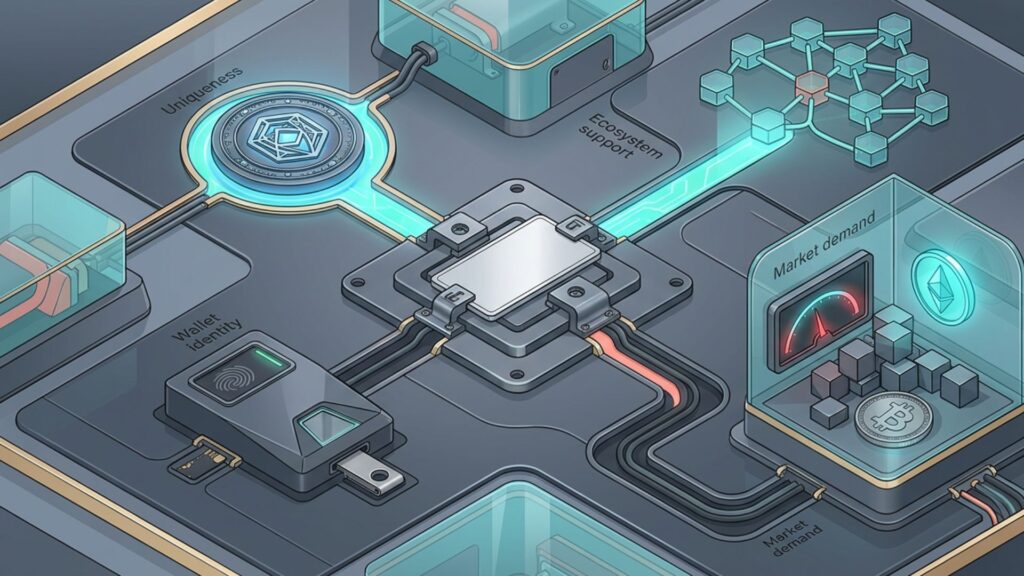
Owning an on-chain name does not guarantee it will always work across all wallets, apps, browsers, or services. Its practical use depends on ongoing support from the surrounding ecosystem, which can change over time. The ownership record may remain intact even if the number of platforms that recognize or support the name changes.
Permanent Ownership Does Not Guarantee Permanent Value
A non-expiring crypto domain can still lose value or have little resale demand. Its market appeal depends on factors such as the quality of the name, brand relevance, extension recognition, ecosystem adoption, and buyer demand. Avoiding renewal fees does not guarantee that the asset will appreciate or remain valuable.
What Do You Actually Own?
Buying a crypto domain does not always give the same type of ownership. Depending on the naming system, control may be recorded on-chain and linked to a wallet address, or the provider may manage custody through an account. This structure affects who can transfer or manage the name and what happens if access is lost.
Ownership and control are also not always identical. Moving an asset to a self-custodied wallet can give the holder direct control, but recovery may be difficult or impossible if the wallet credentials are lost. Before buying, check how ownership is recorded, where it is held, and who controls the associated wallet or account.
How Permanent Crypto Domain Ownership Differs From Traditional Domains
Traditional domains are generally registered for a fixed period and must be renewed to remain under the registrant’s control. Some crypto domain systems use a different model, allowing ownership to continue without recurring renewal fees. However, removing the risk of expiration does not remove the owner’s responsibilities.
The main tradeoff is where the risk sits. With a traditional domain, failing to renew can result in losing the name. With a permanently owned, self-custodied crypto domain, the greater risk may be losing access to the wallet that controls it, with limited or no recovery options.
| Traditional Domain Registration | Permanent Crypto Domain Model |
| Requires renewal to remain registered | Some models do not require renewal |
| Can expire if not renewed | May not expire under the applicable ownership model |
| Account recovery may be available through the registrar | Recovery can be limited under self-custody |
| Widely supported through DNS | Support depends on the relevant ecosystem |
What to Check Before Buying a “Permanent” Crypto Domain
Before buying a crypto domain marketed as permanent, look beyond the one-time purchase claim and check:
- Whether it expires: Review the registration and renewal rules for the specific naming system and extension.
- What you are actually buying: Determine whether you receive direct on-chain ownership, a registration right, or another form of control.
- Who controls it: Check whether the asset remains in provider custody or is controlled through your own wallet.
- What happens if you lose access: Understand the available recovery options, especially if you plan to use self-custody.
- Where it works: Confirm support from the wallets, apps, browsers, or other services you plan to use.
- Whether the same name can exist elsewhere: Consider potential collisions with other blockchain naming systems or DNS namespaces.
- What the rules and terms say: Review the relevant protocol documentation and provider terms instead of relying only on claims such as “buy once, own forever.”
Conclusion
Permanent crypto domain ownership can be a real feature, but it is not universal. In some naming systems, ownership can continue without recurring renewal fees. That does not mean the name is guaranteed to remain accessible, unique, widely supported, useful, or valuable forever.
Before buying, look beyond the “buy once, own forever” claim. Check the specific ownership model, expiration rules, custody arrangement, recovery options, and applicable terms. Understanding what is truly permanent and what still depends on the underlying system helps you make a more informed decision.