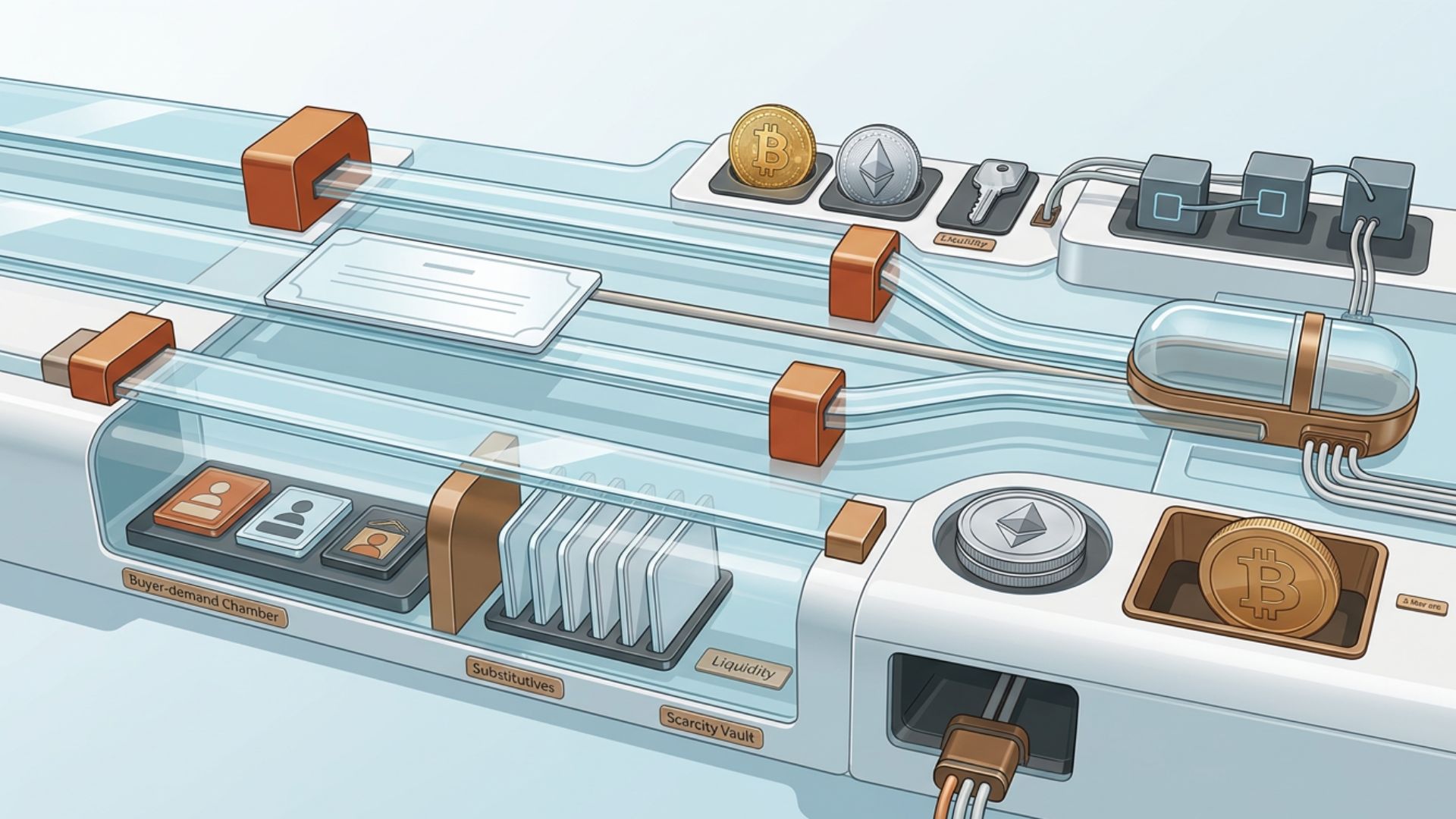

A crypto domain can sit unnoticed for months, then suddenly attract a buyer when interest in its niche takes off. That is where selling gets difficult. A strong offer may look like an obvious win, but accepting it could mean giving up more upside if demand is still building. On the other hand, holding indefinitely because you expect a bigger payday can tie up money in an asset with uncertain demand. The better approach is to judge the offer against real buyer interest, comparable sales, market direction, and the cost of waiting.
The Strongest Signs It’s Time to Sell Your Crypto Domain
A good exit usually comes from several signals pointing in the same direction, not from one event. An offer matters more when it is backed by genuine buyer interest, relevant sales data, and a market that supports the price. At the same time, the cost of keeping the name and the opportunity to use the proceeds elsewhere should be part of the decision. These are the strongest indicators that selling now may make more sense than waiting.
You Receive a Serious Offer From a Relevant Buyer
An actual buyer provides stronger evidence than an appraisal tool or another seller’s asking price. Pay attention to who wants the name and why. A startup that needs it for its brand has different motivations than an investor looking for a low-cost resale opportunity. A serious buyer willing to negotiate and with a clear commercial reason for acquiring the name can justify taking a closer look at the offer. It still needs to be measured against the name’s market value, but genuine demand is an important signal.
Comparable Sales Support the Price
An attractive offer is easier to accept when recent sales of genuinely similar names support it. Look for completed transactions involving comparable extensions, naming structures, length, keywords, and commercial use. Don’t rely on another seller’s $50,000 asking price as proof your name is worth the same. Completed sales provide much stronger evidence. If the current offer falls within a reasonable range of relevant sales, the case for selling becomes stronger.
You’re Seeing Real Buyer Interest, Not Just Market Attention
A popular crypto category does not automatically make every related name more valuable. What matters is whether that attention is reaching your specific asset. Repeated inquiries, negotiations, pricing requests, and business interest are stronger indicators than general social media discussion or a temporary market rally. If people are increasingly trying to acquire the name, the market may be giving you an opportunity to monetize that interest.
The Business Trend Behind the Name Is Showing Real Commercial Demand
A name tied to a growing technology can become more useful as businesses build around that category. Look beyond token prices and ask whether companies are actually developing products, services, infrastructure, or applications related to the term. For example, continued activity around areas such as stablecoins, tokenization, and institutional crypto infrastructure can create commercial demand for relevant naming assets. But the important signal is business adoption, not simply a rise in cryptocurrency prices.
The Current Return Is Worth Realizing
Sometimes the right time to sell has less to do with maximum possible value and more to do with whether the current return meets your investment objective. Consider what you paid, what you can realistically receive today, and how likely a substantially higher offer is. A $15,000 sale may be an excellent exit for one owner and an opportunity worth rejecting for another. The key is to compare the money available today with the uncertain value of waiting.
Holding It Is Becoming Harder to Justify
Every additional year has a cost. Renewal fees, marketplace expenses, management time, and capital tied up in the asset can gradually change the economics of holding it. Opportunity cost matters too. If selling would free up funds for stronger names or other investments with better prospects, keeping the asset simply because it might appreciate later may no longer be the best choice.
This is also where the original investment thesis deserves another look. If the reason you acquired the name no longer holds, renewing it based on what you have already spent can lead to a sunk-cost decision rather than a rational one.
When Holding Your Crypto Domain Makes More Sense
Selling is not automatically the right move just because someone has made an offer. Some crypto domain names have characteristics that justify waiting, especially when demand is developing and the cost of holding remains reasonable. The important distinction is between evidence-based patience and simply hoping for a higher price.
The Market Is Developing, but Demand Hasn’t Matured Yet
A name associated with an emerging category may be more valuable as businesses adopt the underlying technology. If commercial activity is increasing but buyers have not yet reached the market in meaningful numbers, selling immediately could limit the potential upside. That said, a developing market alone is not enough. Look for observable progress, such as new businesses entering the space, growing commercial use, or increasing interest in the terminology behind the name.

The Name Has Scarcity Buyers Actually Value
Short, memorable, highly relevant names are difficult to replace. A concise term that clearly fits a growing industry can have stronger long-term potential than a longer or awkward keyword combination. But scarcity only matters when buyers want what is scarce. A rare name with little commercial relevance is not necessarily a valuable asset. The stronger case for holding arises when limited supply and genuine demand coexist.
The Current Offer Is Weak Compared With Its Potential
Not every offer deserves a yes. If a buyer’s proposal is well below credible comparable sales or fails to reflect the name’s commercial appeal, rejecting it or countering may be reasonable. Before doing so, however, separate your evidence from your expectations. A higher price should be supported by market conditions, not the assumption that someone will eventually pay it.
The Cost of Waiting Is Low
Patience is easier to justify when keeping the name does not require significant ongoing expense. Low renewal costs, manageable portfolio size, and no immediate need for the capital give you more flexibility to wait for a stronger buyer.
The calculation changes when annual costs accumulate without meaningful interest. At that point, holding requires a stronger reason than simply believing the name could become more valuable.
How to Decide: Sell, Hold, or Counter?
Once you’ve considered the offer, buyer interest, comparable sales, future potential, and holding costs, the next step is to decide what those factors mean together.
- Sell: The offer is strong, the buyer has a clear reason to acquire the name, and comparable sales support the price. Selling becomes even more attractive when renewal costs or opportunity cost make waiting less appealing.
- Hold: Demand is developing, the name has meaningful scarcity, and the cost of keeping it is manageable. Holding is easier to justify when specific evidence shows future demand could increase.
- Counter: The buyer appears serious, but the initial offer does not reflect the asset’s market evidence or potential. A counteroffer gives you an opportunity to test how much the buyer is actually willing to pay without immediately giving up the deal.
- Reprice or exit: Interest remains weak, relevant sales provide little support for a higher price, and ongoing costs keep accumulating. In that situation, adjusting your expectations or moving on may be more rational than waiting indefinitely.
The key question is simple: Does the evidence support taking the money today, or is there a strong enough reason to believe waiting will produce a better outcome?
What to Check Before Accepting an Offer
Once you’ve decided that selling makes sense, take a final look at the economics and the transaction itself. A good headline price can become less attractive after fees, taxes, or other costs, and a rushed deal can create unnecessary risk.
- Verify the buyer and their intended use: A legitimate buyer with a clear business purpose is easier to assess and negotiate with than an anonymous or vague inquiry.
- Compare the offer with actual sales: Recheck relevant completed transactions before accepting, especially if the offer is substantially higher or lower than your original expectation.
- Calculate your net proceeds: Account for marketplace commissions, escrow or payment fees, renewal costs, and any applicable taxes before judging the offer.
- Review the transfer process: Make sure you understand how ownership will be transferred and when the buyer’s payment becomes available. Web3 naming systems can have different transfer requirements from conventional domains.
- Don’t let urgency drive the decision: A buyer pushing for a quick response does not automatically mean you have found your best price. If the evidence supports negotiation, take the time to make a considered counteroffer.
Once those checks are complete, you can judge the deal based on what you will actually receive rather than the headline number alone.
Conclusion
No single market price or crypto cycle tells you when to exit. The better signal is a change in the evidence around the asset itself. If serious buyers are appearing, comparable sales support the current offer, commercial demand is strengthening, and the cost of waiting is becoming harder to justify, selling can be the more rational choice. If demand is still developing, the name remains scarce, and holding costs are low, waiting may make more sense.
The goal is not to predict the highest price you could ever receive. It is to recognize when the opportunity available today is strong enough to outweigh the uncertain upside of holding longer. A disciplined exit comes from weighing evidence, not emotion or market hype.