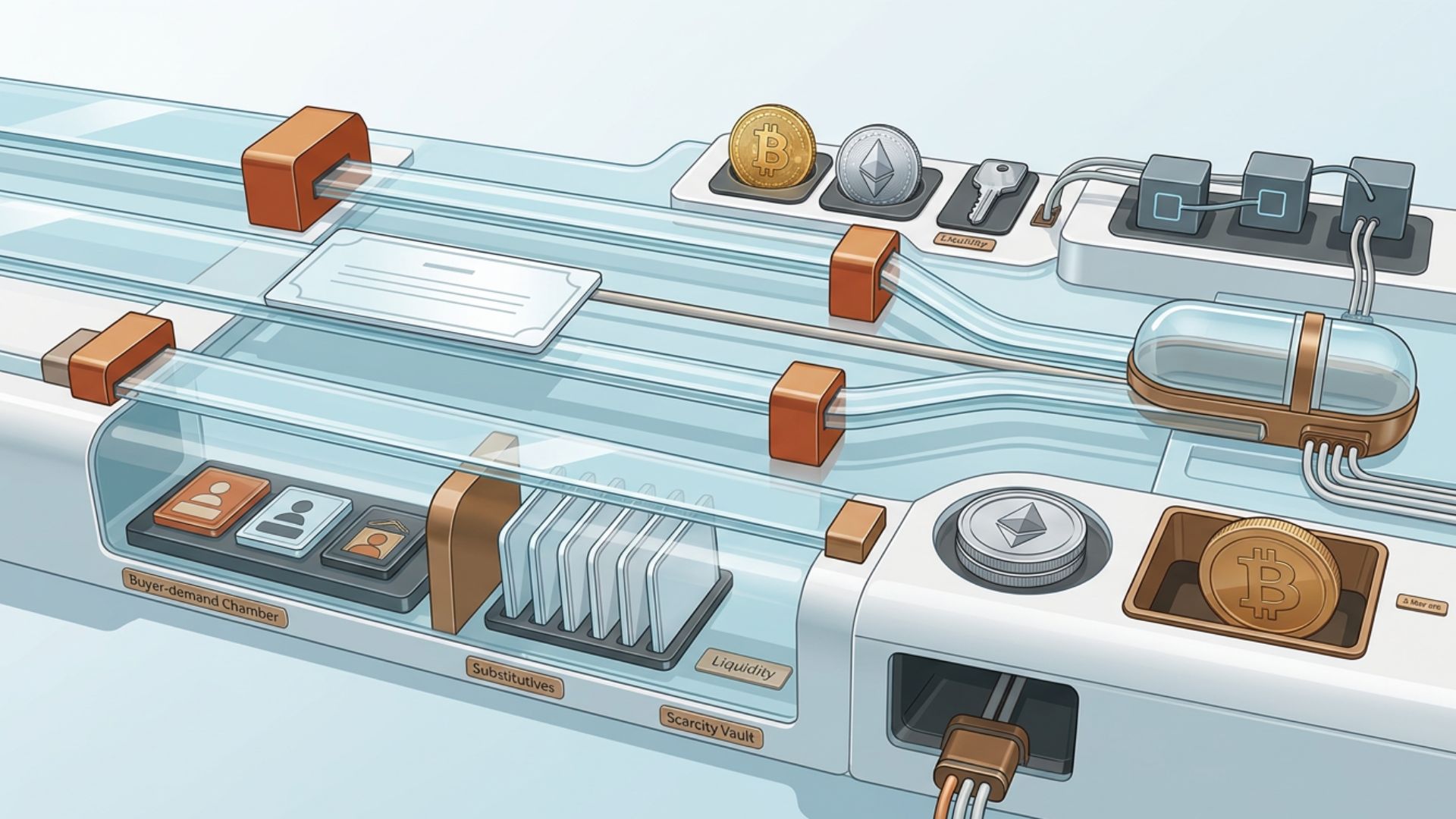

Crypto domains give users greater control over their digital identities by allowing them to own and manage blockchain-based names without relying on traditional registrars. However, that ownership is often misunderstood. While a crypto domain can function as a digital asset, it does not automatically grant trademark rights, copyright protection, or exclusive control over a name.
Understanding where blockchain ownership ends and intellectual property law begins is essential for avoiding legal disputes and making informed decisions. In this guide, we’ll explain what rights crypto domain owners actually have, what they don’t have, and how IP law can affect how these domains are registered and used.
What Does It Mean to Own a Crypto Domain?
Owning a crypto domain means you control a blockchain-based domain name through your digital wallet instead of a traditional domain registrar. Depending on the provider, it may exist as an NFT or another blockchain-based asset, allowing you to manage it directly on the blockchain.
Unlike traditional domains, they don’t rely on centralized registration or annual renewals, although ownership terms vary by platform. They can be used for purposes such as simplifying cryptocurrency payments, creating decentralized websites, and establishing a Web3 identity. While this gives owners control over the blockchain asset, the legal rights associated with the name are governed separately under intellectual property law.
How Intellectual Property Law Applies to Crypto Domains
Owning a crypto domain doesn’t exempt it from intellectual property (IP) law. While blockchain technology changes how these domains are registered, transferred, and managed, it does not replace the legal protections that apply to brands, creative works, and other intellectual property. Understanding how these rights intersect can help you avoid legal disputes and make more informed decisions.
- Trademark rights: Trademarks protect names, logos, slogans, and other identifiers that distinguish the source of goods or services. Registering a crypto domain does not automatically give you trademark rights, and using a name that infringes on an existing trademark may lead to legal action.
- Copyright protection: Copyright generally protects original creative works, such as website content, software, artwork, photographs, and music. Domain names themselves are typically too short and functional to qualify for copyright protection.
- Other intellectual property rights: Depending on how a crypto domain is used, other legal rights may also apply. These can include trade names, trade dress, or rights of publicity, particularly if the domain references an established business, product, or public figure.
What Rights You Actually Have as a Crypto Domain Owner
Control Your Domain
Crypto domains are typically managed through a compatible digital wallet rather than a traditional registrar. As long as you control the wallet and follow the platform’s terms, you can manage the domain without relying on a centralized intermediary.
Transfer or Sell the Domain
Like other blockchain-based assets, many crypto domains can be transferred to another wallet or sold through supported marketplaces. This allows owners to retain, trade, or transfer ownership as needed.
Use It Across Web3 Applications
Supported crypto domains can simplify cryptocurrency payments, serve as a Web3 identity, and connect to decentralized websites or applications within compatible ecosystems.
Manage Domain Records
Owners can update supported records associated with their domain, such as linked wallet addresses and other configuration settings, allowing them to control how the domain functions across supported services.

What Rights You Don’t Automatically Have
Exclusive Rights to a Name
Registering a crypto domain doesn’t give you exclusive ownership of the name outside the blockchain. Others may have legitimate rights to use the same or a similar name in different contexts.
Trademark Ownership
A crypto domain registration does not create trademark rights. If you want legal protection for a brand name, you must establish trademark rights under the applicable laws in your jurisdiction.
Copyright Protection
Owning a crypto domain does not give you copyright ownership because domain names generally aren’t protected by copyright. Copyright applies to original creative works, not the domain name itself.
Protection From Trademark Claims
Blockchain ownership doesn’t prevent trademark owners from enforcing their rights. Using a crypto domain that infringes on an existing trademark may still result in legal disputes or court action.
The Right to Use Someone Else’s Brand
Registering a domain that includes another company’s brand or a well-known name doesn’t give you permission to use it commercially. Doing so could create consumer confusion and expose you to trademark infringement or other legal claims.
How to Avoid IP Issues When Registering a Crypto Domain
Taking a few precautions before registering a crypto domain can help reduce the risk of intellectual property disputes and protect your investment.
- Search existing trademarks: Before registering a domain, check whether the name is already protected as a trademark in the jurisdictions where you plan to use it. This can help you identify potential conflicts early.
- Avoid well-known brands and business names: Registering a domain that closely resembles an established brand, company, or product may lead to trademark infringement claims, even if the domain is available.
- Consider how you’ll use the domain: A name that’s acceptable for personal use could create legal issues if it’s later used for commercial purposes, particularly if it causes consumer confusion.
- Research existing businesses: Beyond trademark databases, search for businesses already using the same or a similar name. Unregistered or common law trademark rights may still exist in some jurisdictions.
- Review the platform’s policies: Crypto domain providers may have terms governing domain registrations, intellectual property complaints, and legal requests. Understanding these policies can help you avoid unexpected issues after registration.
Conclusion
Owning a crypto domain gives you control over a blockchain-based digital asset, but it doesn’t automatically grant trademark rights, copyright protection, or exclusive ownership of a name. Those rights are governed by intellectual property law and can exist independently of blockchain ownership.
Understanding this distinction is essential before registering, buying, or using a crypto domain. By researching existing trademarks, avoiding potential infringement, and understanding the legal framework, you can make more informed decisions and reduce the risk of future disputes while taking advantage of what Web3 domains have to offer.