
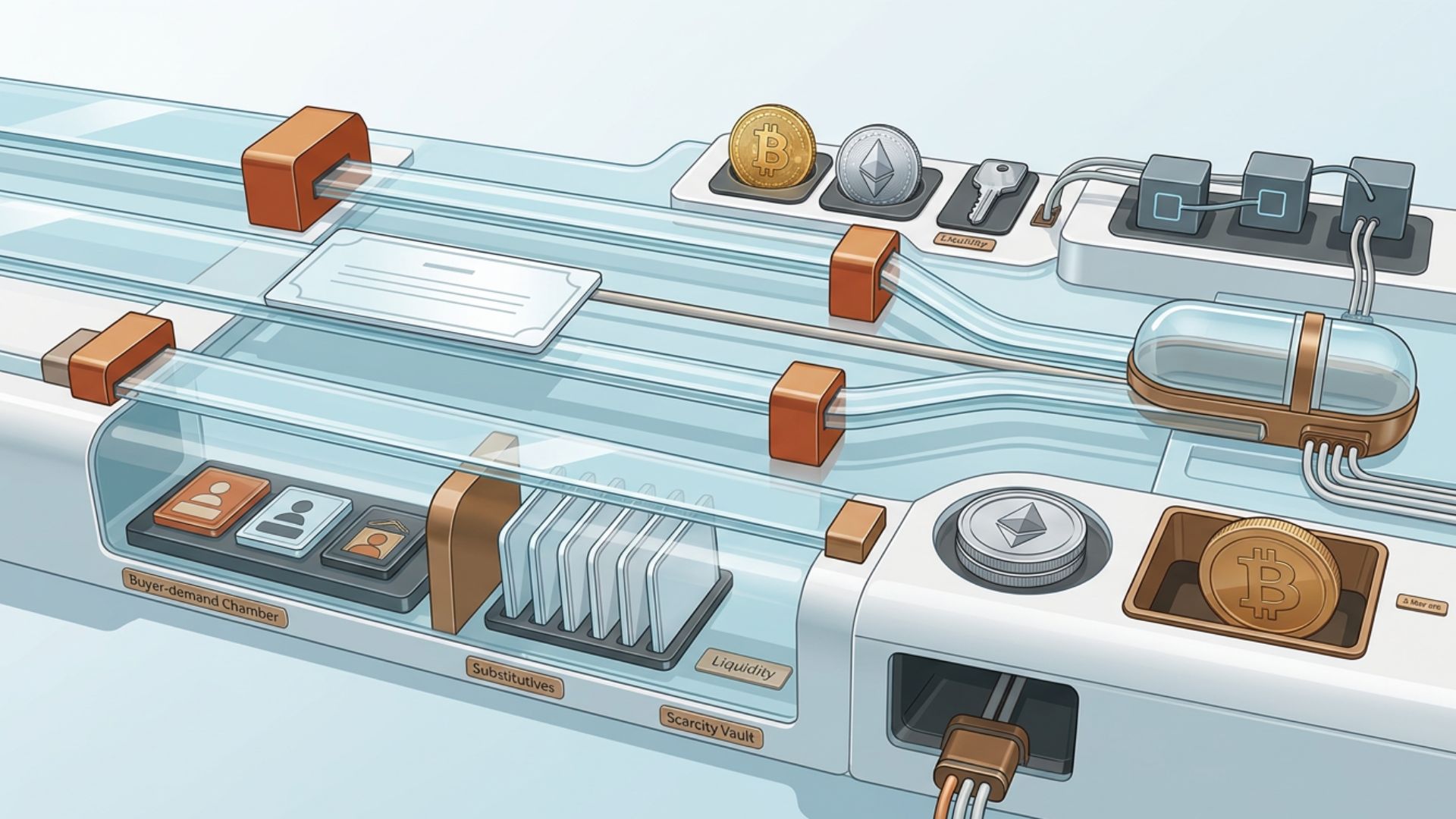
Putting a price on a crypto domain can be difficult when no buyer has made an offer yet. Limited comparable sales, changing market conditions, and subjective demand can make it hard to know whether a name is being priced too high or too low. The solution is to start with evidence rather than guesswork. By assessing the name, relevant sales, current market activity, and potential buyer demand, sellers can establish a realistic value range and develop a clear pricing strategy before the first offer arrives.
Pricing a Crypto Domain Is Not the Same as Valuing It
A crypto domain’s estimated value and its asking price are not necessarily the same. Valuation helps establish what the name could reasonably be worth based on factors such as comparable sales, buyer demand, scarcity, and current market conditions. Pricing goes a step further by deciding what to ask for it and how much flexibility to allow.
A practical pricing strategy starts with three numbers:
- Estimated value range: What the available evidence suggests the name could realistically sell for.
- Public asking price: The price displayed to potential buyers, which may leave room for negotiation.
- Private minimum acceptable price: The lowest amount the owner is willing to accept.
Establishing these figures before receiving an offer helps prevent the first buyer from setting the starting point for the negotiation.
Identify Exactly What You Are Pricing
Before looking at sales data or setting a price, identify the type of asset you own. A short numeric ENS name, a one-word .eth name, and a brandable Web3 domain may appeal to different buyers and should not be automatically compared.
Start by considering the naming system and extension, name length, character pattern, and whether the name is a dictionary word, an acronym, a number, a ticker, or a brandable term. Its potential use as an identity, wallet name, or brand may also matter.
This classification makes it easier to find relevant comparable sales and avoid building a price around transactions that do not reflect the same type of asset.
Identify Who Might Actually Buy the Name
A price should reflect more than the owner’s opinion of the name. Consider who might realistically want it and why. Potential buyers may include businesses, crypto projects, investors, collectors, communities, or individuals seeking a recognisable on-chain identity.
Also consider how easily those buyers could choose an alternative. A name with strong substitutes may have less pricing power, while one that closely matches a brand, concept, or identity may appeal to a smaller but more motivated buyer pool.
The goal is not to imagine every possible buyer. It is to identify realistic sources of demand before deciding how much the asset can reasonably command.
Build a Comparable Sales Range
Comparable sales provide a useful starting point, but one transaction should not determine the price. Instead, look for several completed sales involving names with similar characteristics and use them to establish a realistic range.
Prioritize comparables from the same naming system and extension. Then consider factors such as name type, length, character pattern, meaning, brandability, and appeal to potential buyers. A short numeric name, for example, should not automatically be compared with a recognizable one-word .eth name.
Completed sales generally provide stronger evidence than active listings, which only show what sellers hope to receive. The goal is not to find an exact match, but to build a range based on the most relevant available transactions.
Adjust Comparable Sales for the Name You Actually Own
Comparable sales provide a reference point, not a final answer. Even names that appear similar can differ significantly in meaning, buyer appeal, and scarcity. The next step is to adjust the range based on the asset’s strengths and weaknesses.
Consider its semantic value, brandability, memorability, scarcity, and how easily a buyer could find a suitable alternative. Strong buyer demand can justify a position toward the higher end of the comparable range, while limited appeal or many substitutes may push the estimate lower.
Length can also matter, but shorter is not automatically better. A longer, meaningful name may attract more demand than a short combination with little practical or commercial appeal.
Check What the Market Looks Like Right Now
Comparable sales can become less useful as market conditions change. Before finalizing a value range, review recent sales activity alongside the names currently available in the same category.
Look at recent completed sales, competing listings, and visible bids or offers, where available. Pay attention to how many similar names are on the market and whether buyers appear to be actively purchasing them.
Active listings should be treated carefully. A seller can ask for any amount, but an asking price does not prove that buyers are willing to pay it. Use current listings to understand the competition, then rely more heavily on completed transactions and genuine buyer activity when adjusting your estimate.
Set a Realistic Value Range Before Choosing One Price
Avoid jumping from research to one exact number. A single estimate can create a false sense of precision, especially when comparable sales are limited. Instead, establish a range that reflects the available evidence.
Start with a conservative estimate based on weaker demand or a faster sale. Then identify the realistic target range based on the strongest comparable sales and current market conditions. An optimistic figure can represent what the asset might command from a particularly motivated buyer.
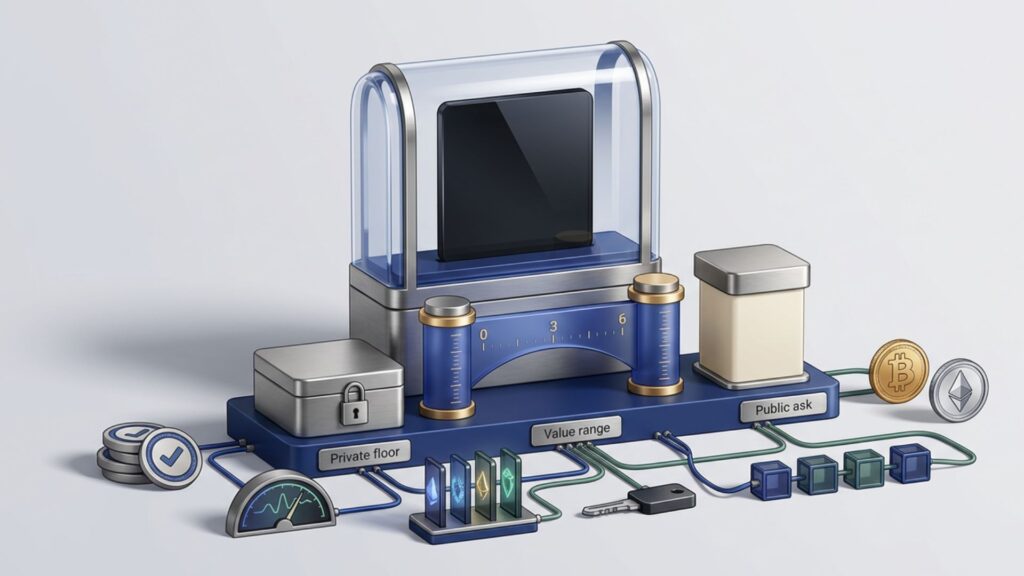
This approach also accounts for liquidity. A name may have strong long-term potential but still take months or years to attract the right buyer. Separating its potential value from its likely near-term sale price helps create a more practical starting point for the next step: setting the asking price.
Turn the Value Range Into an Asking Price
Once you have a realistic value range, decide how you want to position the asset in the market. The asking price does not have to match the exact amount you expect to receive. Sellers may set it higher to leave room for negotiation, particularly when the name is scarce, or there are few strong alternatives.
The right approach also depends on how you plan to sell. A Buy Now price gives buyers a clear path to purchase, while a Make Offer listing can provide more flexibility when the value is less certain. Where supported, setting a minimum offer can also help filter out unrealistic bids.
Your pricing strategy should reflect buyer demand, liquidity needs, and your willingness to negotiate. The goal is to choose a number that is supported by your research while still giving you room to respond to real market interest.
Set Your Private Minimum Price Before You List
Before listing the crypto domain, decide the lowest amount you are genuinely willing to accept. This figure should exceed the original purchase price. Consider marketplace fees, transaction costs, renewal or holding costs, and whether you would rather keep the name and wait for another buyer.
Your minimum acceptable price does not need to match the public asking price and is usually best kept private. Setting it in advance can also prevent emotional decisions when an offer arrives.
A clear floor gives you a practical benchmark during negotiations. If an offer falls below it, you can decide whether the circumstances justify accepting less rather than reacting to the buyer’s number in the moment.
Decide How You Want the Price Denominated
Before listing the name, decide which currency will serve as the basis for your target price. You may choose to price it in USD, ETH, another cryptocurrency, or a stablecoin, depending on the marketplace and your preferences.
This decision matters because a fixed price in a volatile cryptocurrency does not represent a fixed fiat value. For example, the dollar value of an asking price set in ETH can rise or fall even when the perceived value of the name remains unchanged.
Start by determining the economic value you want to receive from the sale. You can then choose the payment currency and adjust the listed amount accordingly. Also factor in marketplace commissions, network fees, and other transaction costs so the final proceeds match your expectations.
Common Crypto Domain Pricing Mistakes
Even with a structured pricing process, a few mistakes can lead to unrealistic expectations or poor decisions:
- Copying a famous sale: A high-profile sale does not automatically establish the value of a similar-looking name. Exceptional transactions may involve strong brand recognition, unique demand, or a particularly motivated buyer.
- Treating active listings as market value: An asking price shows what a seller wants, not necessarily what a buyer will pay. Completed sales and genuine offers are generally stronger indicators of market demand.
- Comparing the wrong types of names: A one-word .eth name, a short numeric name, and a name on another Web3 naming system can attract different buyers. Use comparables with meaningful similarities.
- Pricing based only on scarcity: Being rare is not enough. Limited supply matters only when there is enough buyer demand and few acceptable alternatives.
- Setting one price and never reassessing it: Market conditions, comparable sales, and buyer interest can change. Review the price periodically rather than assuming the original amount will always be appropriate.
- Letting the first offer define the value: An initial offer can provide useful information about buyer interest, but it should not automatically determine the name’s value. Compare it with your research and pricing strategy before deciding how to respond.
Conclusion
Pricing a crypto domain is not about finding one perfect number. It is about using the available evidence to establish a realistic range, understand who might buy the name, and choose a pricing strategy that fits your goals.
Start with relevant comparable sales, adjust them for the name’s strengths and current market conditions, and separate its estimated value from your public asking price and private minimum. This gives you a clearer position before negotiations begin.
The first offer can still provide useful market feedback, but it should not set the value for you. Do the research first, set your strategy, and remain willing to adjust when new evidence emerges.