
A valuable crypto domain can attract multiple buyers as soon as it becomes available. The challenge is knowing when that opportunity actually opens and being ready to act before someone else does. Unlike traditional domain drops, blockchain naming systems can use different expiration, auction, premium, and release mechanisms. That makes timing and preparation just as important as speed. Drop catching helps buyers spot names approaching release and prepare to acquire them. Understanding how the process works can improve your chances of securing a sought-after name before another buyer does.
What Is Crypto Domain Drop Catching?
Crypto domain drop catching is the process of acquiring a blockchain-based name when its registration ends and the naming system makes it available to others. The key is knowing when you can actually acquire the name, because expiration doesn’t always mean immediate availability.
In some systems, you can register a released name directly, so timing and automation matter. Others use auctions, premium periods, or backorder mechanisms. A buyer therefore needs to understand the specific release process before deciding how to pursue the name.
This also explains the difference between an expiring, expired, and dropped name. An expiring name is approaching the end of its registration period. An expired name has passed that date but may still be protected by a grace period or another release rule. A dropped name has reached the point where the naming system allows another party to acquire it.
A backorder differs from drop catching. It is a request placed with a service to attempt the acquisition when the name becomes available. Depending on the system, competing backorders may trigger an auction rather than awarding the name to the first request.
How Does Crypto Domain Drop Catching Work?
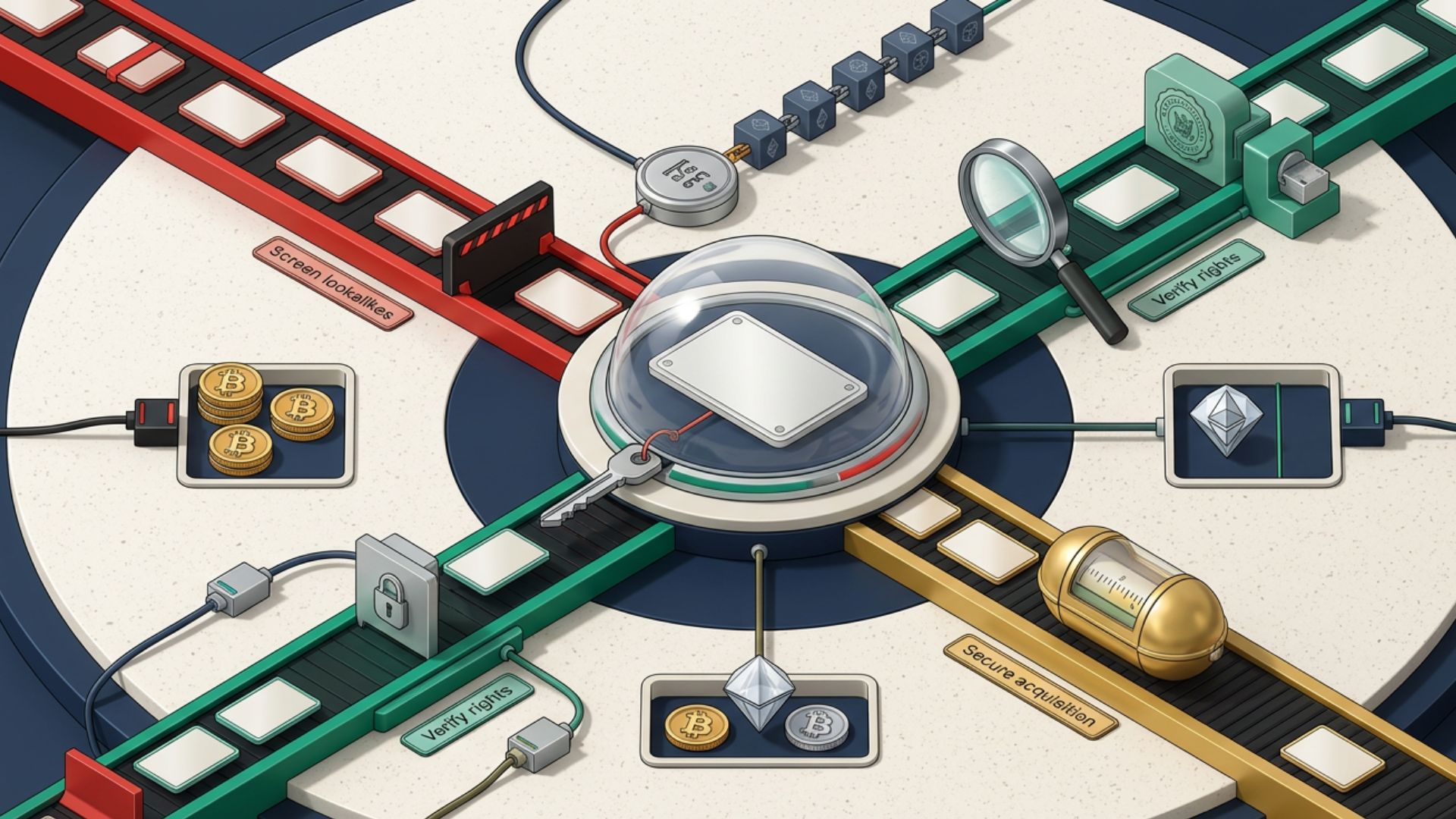
Crypto domain drop catching starts before the name becomes available. The goal is to identify a target early, determine how it will be released, and have everything ready when another buyer can acquire it.
Find a Name Approaching Expiration
Start by identifying names that are nearing the end of their registration period. At this stage, don’t assume the expiration date is when you need to act. It is only the starting point for tracking what happens next.
Check Its Release Rules
Find out which naming system manages the name and how it handles expiration. The name may enter a grace period, auction, premium release, or direct-registration stage. This determines your strategy.
Track the Availability Window
Once you know the relevant process, monitor the name through each stage. The key event is when another buyer can actually obtain it, not simply when the original registration expires.
Prepare Your Wallet, Account, and Funds
Set up the required account or wallet before the opportunity opens. Keep enough funds available for the expected registration cost, premium, auction, and network fees. Last-minute setup can cost valuable time or cause you to miss the opportunity entirely.
Register, Backorder, or Bid When the Opportunity Opens
The final step depends on the release mechanism. A first-come, first-served release may reward fast registration. A backorder can automate the attempt where supported, while an auction requires you to compete through bids. The right approach therefore depends on how the naming system makes the name available, not on speed alone.
When Does an Expired Crypto Domain Actually Become Available?
An expiration date does not necessarily mean a crypto name is immediately available to another buyer. The release process depends on the naming system, so the key date to track is when the name becomes obtainable, not simply when the previous registration ends.
ENS .eth
An expired .eth name enters a 90-day grace period, during which the previous owner can renew it, and no one else can register it. It then enters a 21-day temporary-premium period, when others can register it as the premium gradually decreases.

Handshake
Handshake uses an auction-based system. When a name is not renewed and becomes eligible to be reopened, another buyer acquires it through the applicable auction process rather than by winning a millisecond registration race.
Unstoppable Domains
An expired crypto domain can move through a 30-day grace period, expired auction, and closeout auction before reaching later release stages. Names that eventually reach pending delete can also be targeted through backorders.
How to Prepare Before a Crypto Domain Goes Live
The best time to prepare for a drop is before the name becomes available. Once the release window opens, you may have little time to set up an account, move funds, or decide how to acquire it.
- Shortlist the right names. Focus on names you genuinely want to use. Check their spelling, length, relevance, and potential trademark conflicts before committing money or time.
- Track the name’s status. Record its expiration date and follow its progress through the relevant naming system. The goal is to identify when you can actually acquire it, not simply when the current registration ends.
- Prepare your wallet and funds. Set up the required wallet or account in advance and fund it before the release. Account for registration costs, premiums, auction bids, and network fees where applicable.
- Choose the acquisition method. Determine whether the name will require direct registration, a backorder, or an auction. Knowing this beforehand removes unnecessary steps when the opportunity opens.
Good preparation turns a potential drop from something you react to into an opportunity you are ready to act on.
How to Improve Your Chances of Catching the Name First
Preparation gives you a head start, but execution matters once the acquisition window opens. The right approach depends on how the naming system releases the name.
Know the Exact Release Window
Confirm when you can actually acquire the name, rather than relying only on its expiration date. If there is a specific release time, convert it to your local time and be ready beforehand.
Use Automation Where Appropriate
For first-come, first-served releases, an automated registration or drop-catching service can submit a request faster than manual registration. Make sure the service supports the specific naming system you are targeting.
Keep Everything Ready
Set up, connect, and fund your account or wallet before the release. Avoid moving funds, creating accounts, or completing verification at the last minute.
Match Your Strategy to the Release Mechanism
Speed can matter when registration is first-come, first served. For ENS, the temporary premium changes the timing strategy, while auction-based systems such as Handshake depend on bidding rather than who submits a registration request first.
Set a Limit Before Competition Starts
If the name can enter an auction, decide beforehand how much you are willing to spend. A sought-after name can become expensive quickly, and a limit helps prevent competitive pressure from driving an otherwise unreasonable purchase.
Being first is not always about having the fastest connection. It is about removing avoidable delays and using the right strategy for the way the name is released.
What Happens When Multiple Buyers Want the Same Name?
A desirable crypto name can attract several buyers, but being ready first does not always guarantee ownership. What happens next depends on the system’s acquisition mechanism:
- First-come, first-served registration: If the name is released for direct registration, the first successful request generally gets it. Timing and automation can therefore matter.
- Competing backorders: A backorder lets a service attempt registration on your behalf. If several buyers target the same name, the service may send the name to an auction instead of awarding it automatically.
- Auctions: Some systems use auctions to determine ownership. In these cases, submitting a faster registration request does not give you an advantage. You need to win under the auction’s rules.
- Premium releases: ENS uses a different model. During its temporary-premium period, another buyer can register the name at any time, with the premium decreasing over time. The competition is therefore influenced by both timing and price.
Conclusion
Successful crypto domain drop catching starts before the name becomes available. First, identify the naming system and understand how it handles expiration. Then track the right release window, prepare your wallet and funds, and use the acquisition method that fits the process.
Speed can matter for a direct registration drop, but it is not the deciding factor in every system. Premium periods and auctions can change how ownership is determined.