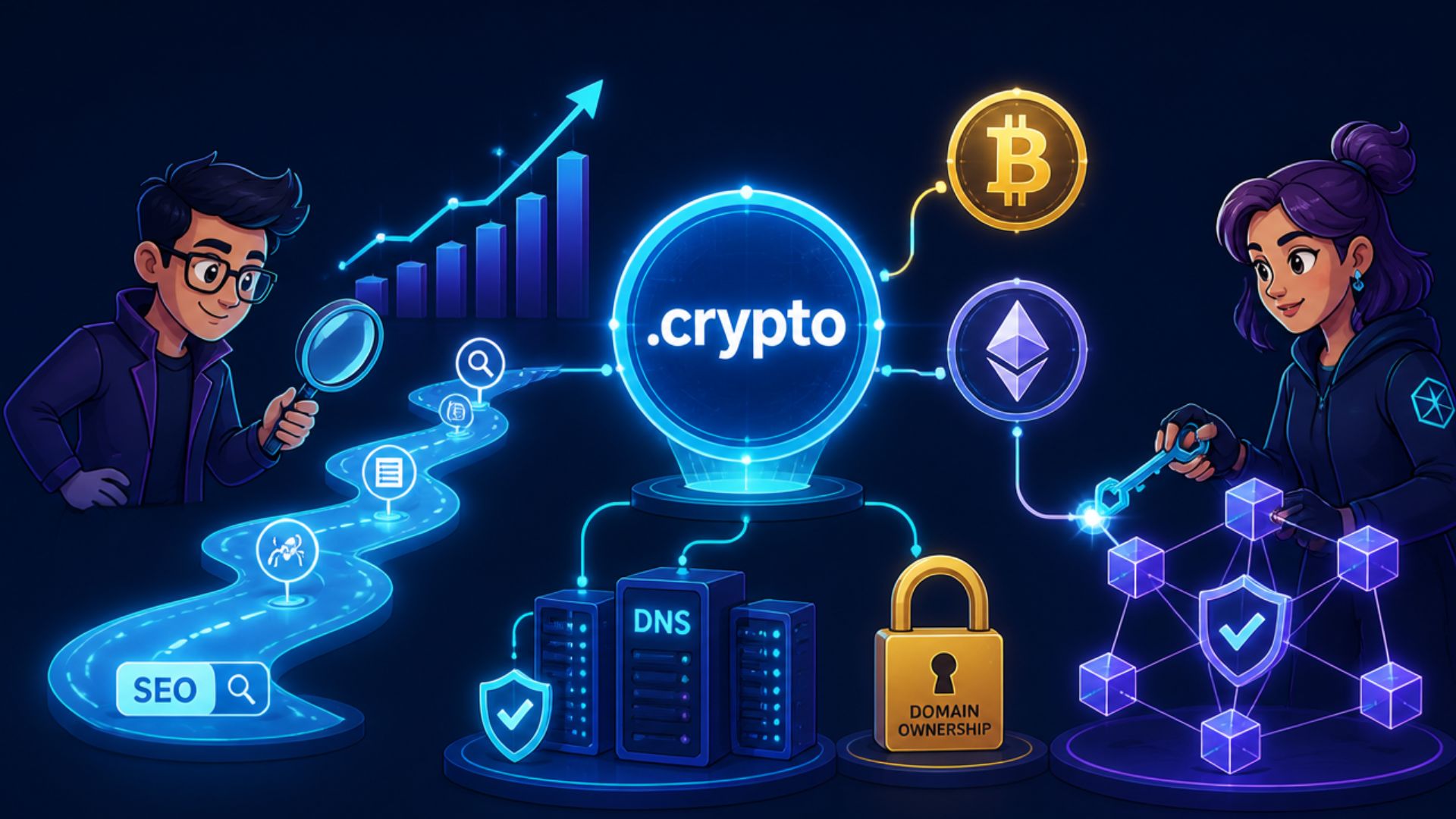
Crypto domains can function as more than digital collectables. Depending on the naming system and ecosystem, they can serve as readable identifiers for wallet addresses, onchain identities, websites, and other applications. However, value varies widely. Some names attract strong demand and command high resale prices, while others remain difficult to sell despite being short or scarce.
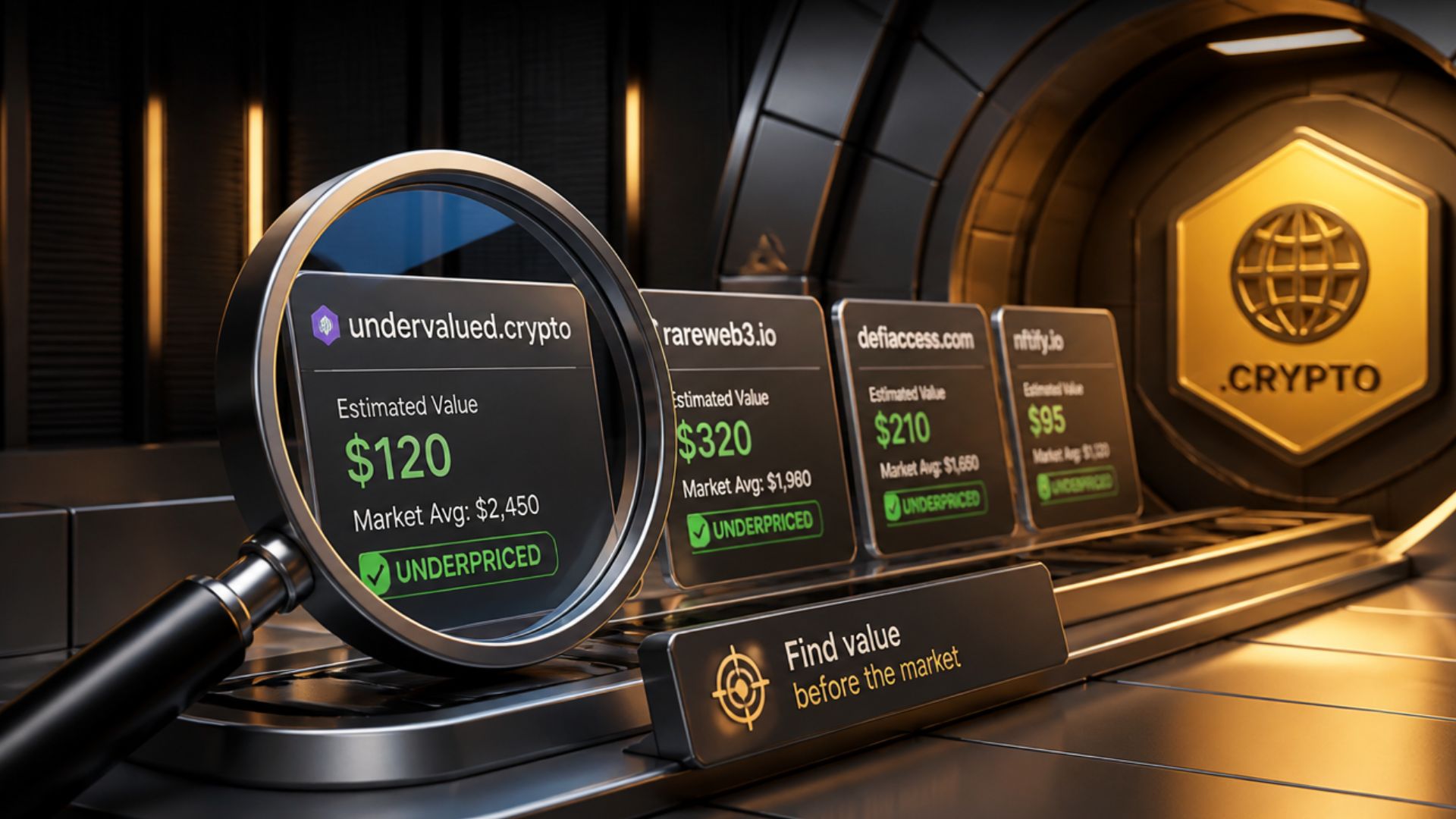
The challenge is identifying potential before the market fully recognizes it. While no factor can guarantee that a name will increase in value, certain conditions can indicate growing demand, greater utility, or stronger buyer interest. Understanding these indicators can help investors and collectors make more informed decisions instead of relying solely on scarcity, asking prices, or hype.
Demand for Similar Crypto Domains Is Increasing
Growing demand for similar names is one of the strongest indicators to watch. Focus on completed sales rather than listing prices, since sellers can set asking prices without finding a buyer.
One expensive transaction does not necessarily indicate a broader market. A more meaningful pattern is repeated sales of comparable names within the same category, such as similar keywords, number combinations, or naming formats. Consistent transactions show that interest is coming from more than one buyer.
Price matters, but sales activity and liquidity matter too. A category with several recent transactions may provide stronger evidence of real demand than one record-breaking sale with little follow-up activity.
The Domain Is Scarce in a Way Buyers Actually Care About
Scarcity matters only when buyers see value in what is limited. A name may be rare because few similar names exist, but that does not automatically create demand.
More meaningful forms of scarcity often involve short names, recognisable words, desirable number combinations, or naming patterns that genuinely have a limited supply. However, even these categories vary in appeal. A scarce name with little commercial, cultural, or practical relevance may still be difficult to sell.
The strongest opportunities tend to combine limited availability with proven buyer interest. In other words, scarcity can support value, but demand is what gives that scarcity economic significance.
High-Quality Names in the Category Are Becoming Harder to Get
A category can be technically scarce without being competitive. What matters is whether the names people actually want are disappearing.
For example, thousands of names may still be available, while short dictionary words, obvious brand names, common keywords, or recognizable number combinations have already been registered or moved to the secondary market. That can make the remaining desirable options harder to acquire and more expensive.
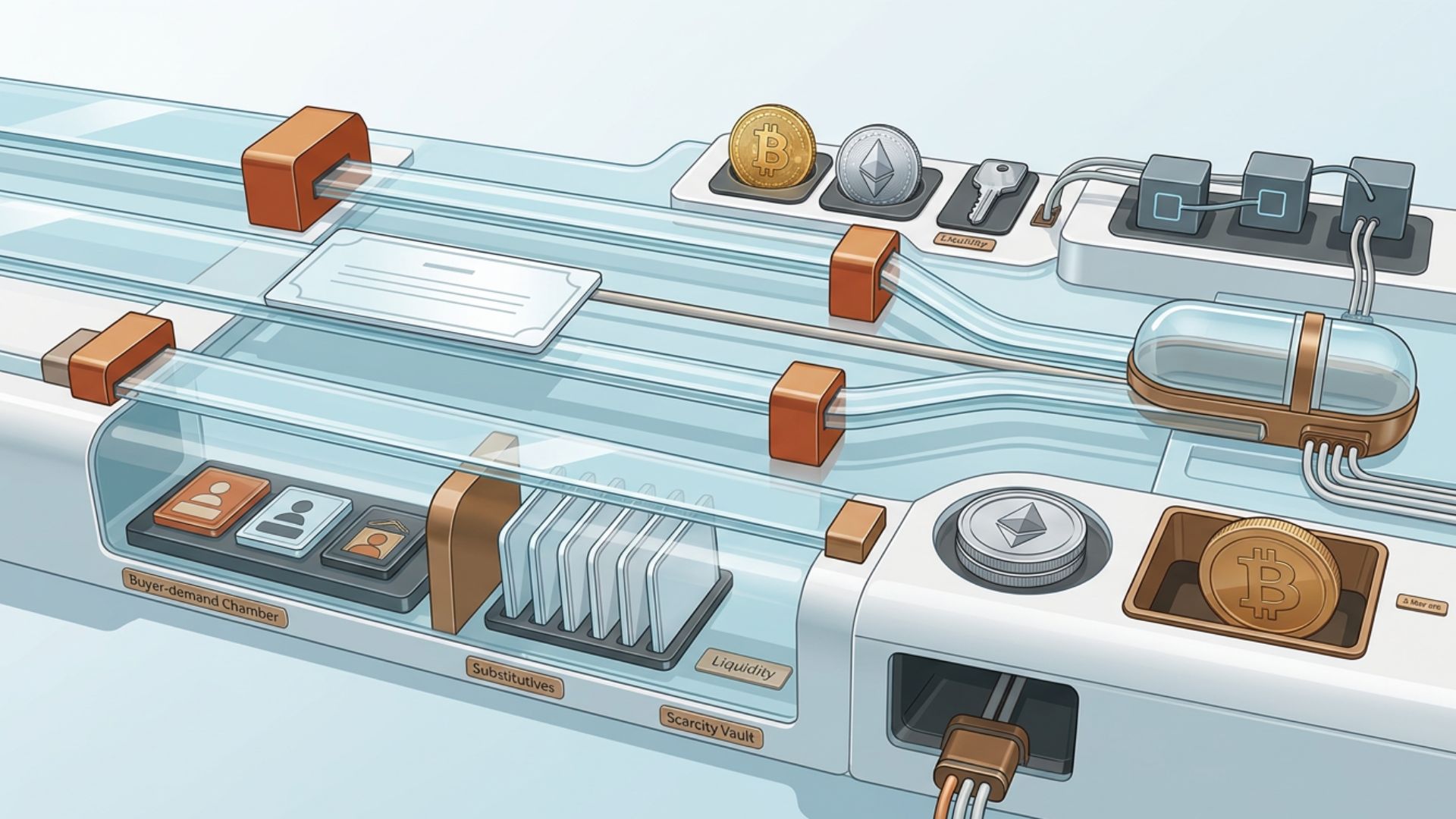
This becomes a stronger sign when availability changes in tandem with actual sales activity. If sought-after names are increasingly held by existing owners and comparable options are selling, buyers may have fewer substitutes to choose from. That does not guarantee higher prices, but it can strengthen the case for future demand.
The Domain Has a Clear and Growing Pool of Potential Buyers
A name can be scarce and memorable yet still have limited resale potential if only a small group of people would realistically want it. Before buying a crypto domain, identify the likely end users. These could include Web3 startups, established businesses, creators, communities, or projects that could use the name as part of their identity.
The size of that potential buyer pool matters because it affects liquidity. A broad, recognizable term may appeal to multiple types of buyers, while a highly specific name may require identifying a particular company or project.
The key question is simple: Who would have a practical or commercial reason to own this name? If that list is growing as a market or industry develops, the name may have a stronger path to future demand.
The Domain Is Becoming More Useful, Not Just More Collectible
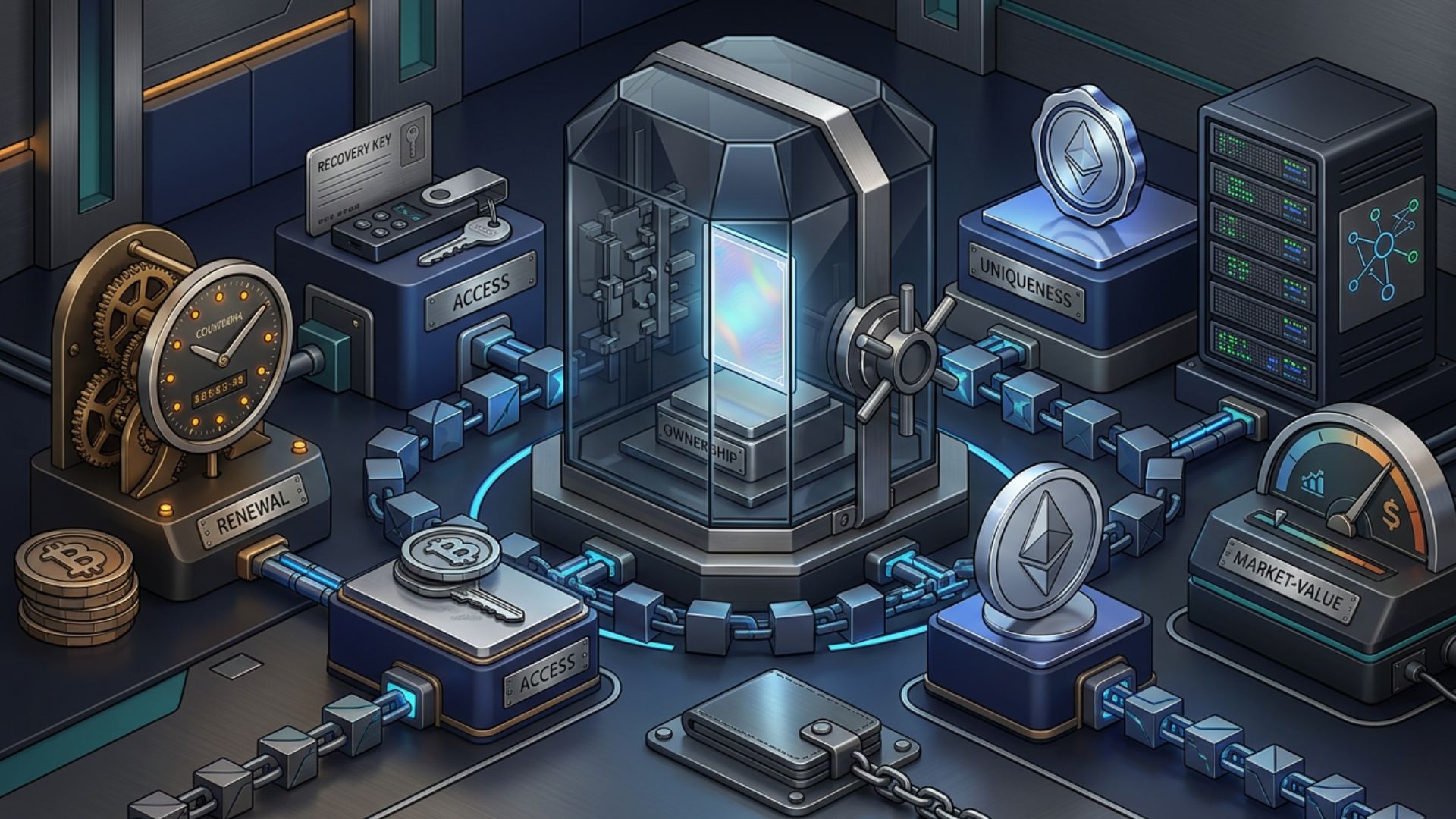
Collectibility can create demand, but practical use can give a name value beyond speculation. In Web3 ecosystems, readable names can replace long wallet addresses and may also be used for onchain identity, profiles, and other supported applications.
The key is to watch whether that utility is actually expanding. New wallet integrations, application support, or wider use within an ecosystem can give more people a reason to register or acquire specific names.
Not every name benefits equally from increased utility. A memorable or relevant name may become more attractive when more people can use it across the services they already interact with.
The Name Aligns With a Growing Ecosystem or Lasting Trend
A name can become more desirable when it is closely connected to an ecosystem or use case that is attracting sustained adoption. For example, growing interest in a blockchain network, onchain identity, or a new technology category can increase attention around related names.
The important distinction is between adoption and hype. A sudden surge in social media attention may create short-term demand, but lasting value usually depends on continued use, development, and a growing number of people or businesses with a reason to use the name.
Before treating a trend as a positive indicator, look for evidence beyond attention alone. Active development, new applications, expanding user adoption, and continued commercial interest are generally stronger signs that the underlying category may have staying power.

The Name Is Easy to Remember and Strong Enough to Become a Brand
A name does not need to be extremely short to be valuable, but it should be easy to recognize, spell, and recall. These qualities can make it more useful to a business, project, or community looking for an identity people can remember.
Strong brand potential also creates demand beyond collectors and investors. A clear, distinctive name may appeal to an end user seeking it for a product, service, or online identity, thereby giving it a broader market than a purely speculative asset.
When evaluating brandability, consider whether the name is easy to communicate without explanation and whether it could still make sense as a recognizable identity. A memorable name with several realistic uses is generally more attractive than one that is rare but difficult to understand or apply.
Multiple Positive Signals Are Appearing at the Same Time
No single factor reliably predicts that a name will become highly valuable. Scarcity without demand can leave an asset difficult to sell, while strong interest in a trending category can disappear quickly.
A stronger opportunity emerges when several indicators support each other. For example, comparable names may be selling, desirable alternatives may be limited, the potential buyer pool may be expanding, and the underlying ecosystem may be gaining real adoption.
Looking at these factors together provides a more realistic picture than relying on one characteristic, such as length or rarity. The more independent evidence supporting future demand, the stronger the case for taking a closer look.
How to Evaluate Whether a Crypto Domain Has Real Potential
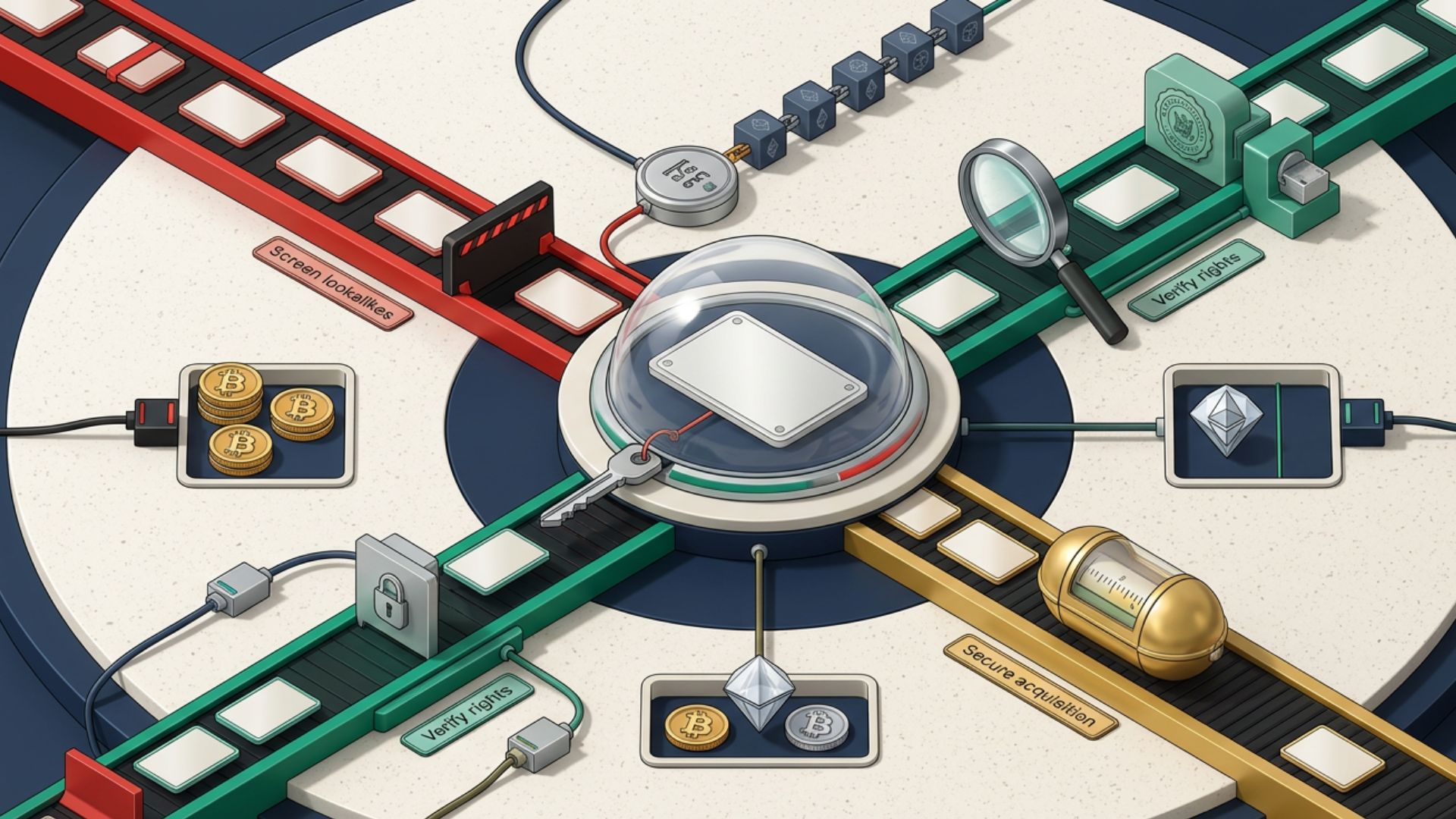
The indicators above are most useful when evaluated together. Before buying or holding a name, consider the following:
- Are similar names actually selling? Look for completed sales involving genuinely comparable names. Consider the keyword, length, naming pattern, and likely buyer rather than assuming every sale within the same extension is relevant.
- Who is the realistic buyer? Identify who would have a reason to own it. A stronger opportunity may have several potential buyers rather than relying on a single hypothetical company or project.
- Does scarcity match real demand? Limited supply matters most when buyers actively want what is limited. Check for both scarcity and evidence of market activity.
- Would the name still matter if the current trend disappeared? Short-term attention can drive speculation, but lasting relevance usually depends on continued interest, adoption, or practical use.
- Does it have utility or brand potential? Consider whether the name is memorable, easy to use, and suitable for a business, project, community, or digital identity.
Conclusion
The most important question is not whether a crypto domain looks valuable today. It is whether the conditions around it are changing in a way that could create stronger demand tomorrow.
A name may be short, rare, or tied to a popular trend and still have little resale potential. What makes it worth watching is evidence that the market is moving in its favor, such as comparable sales, fewer desirable alternatives, expanding use, or a growing group of potential buyers.
That evidence will never guarantee a profitable outcome. However, it provides a more useful basis for evaluating potential than rarity, listing prices, or speculation alone.