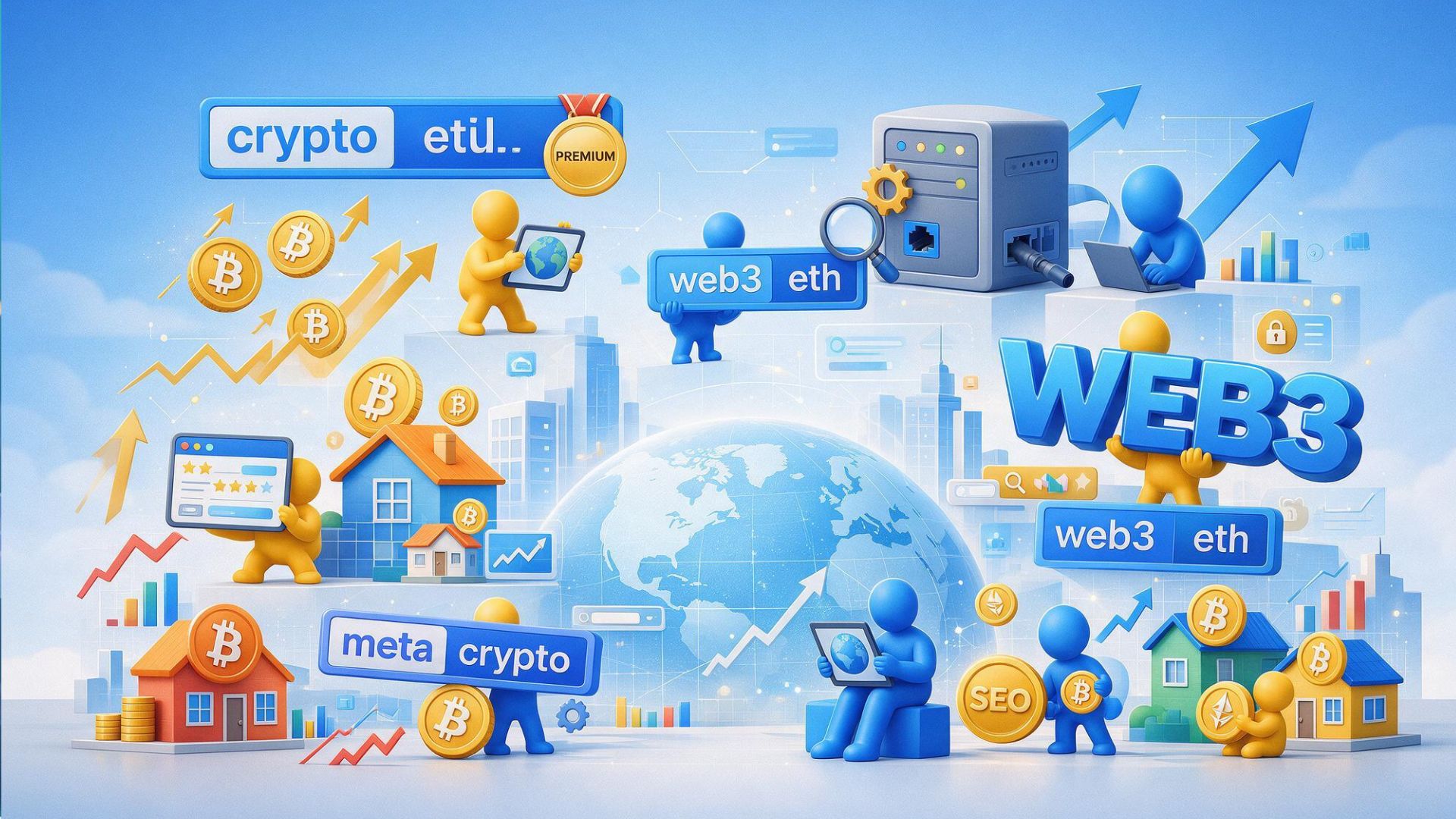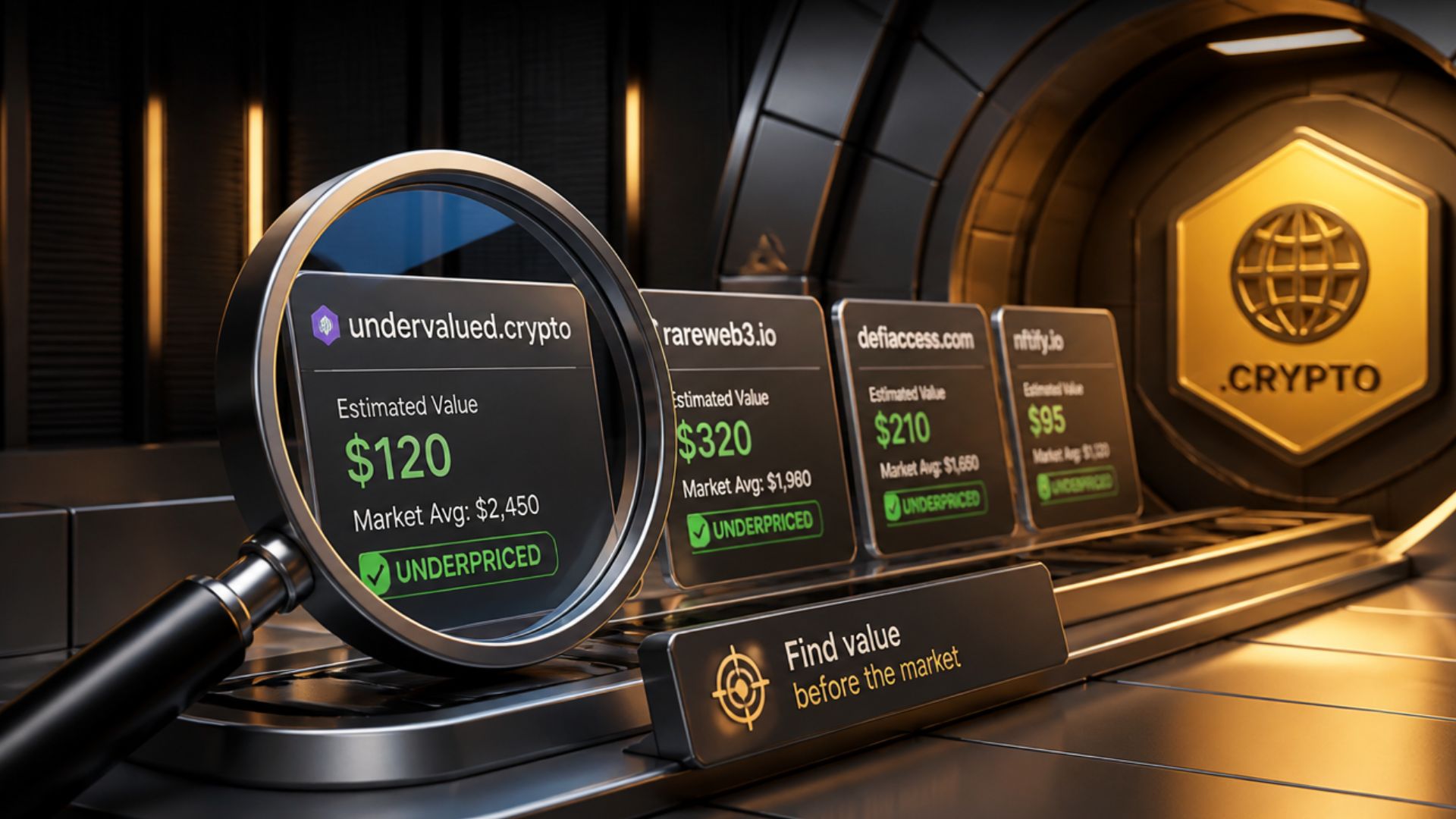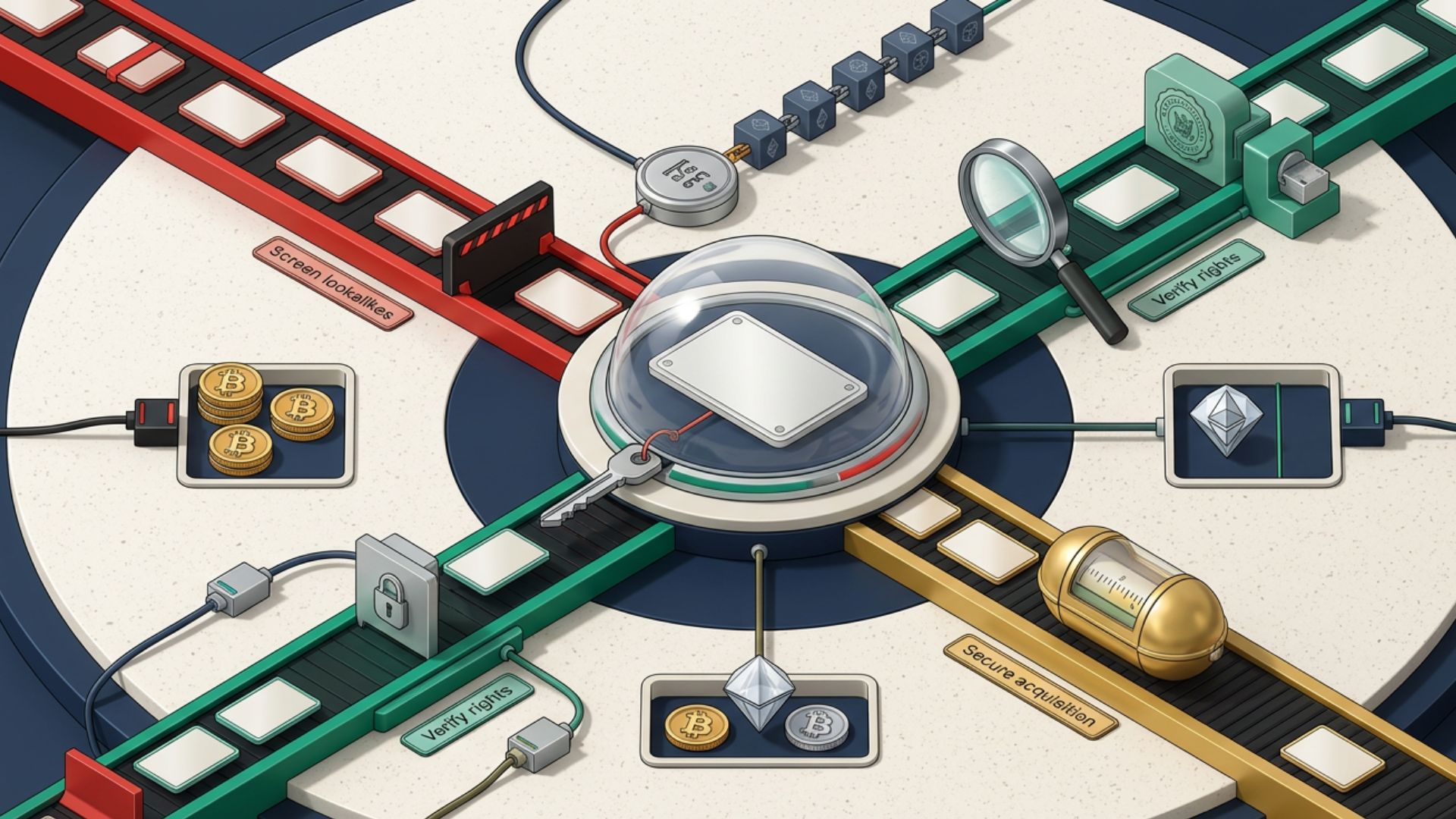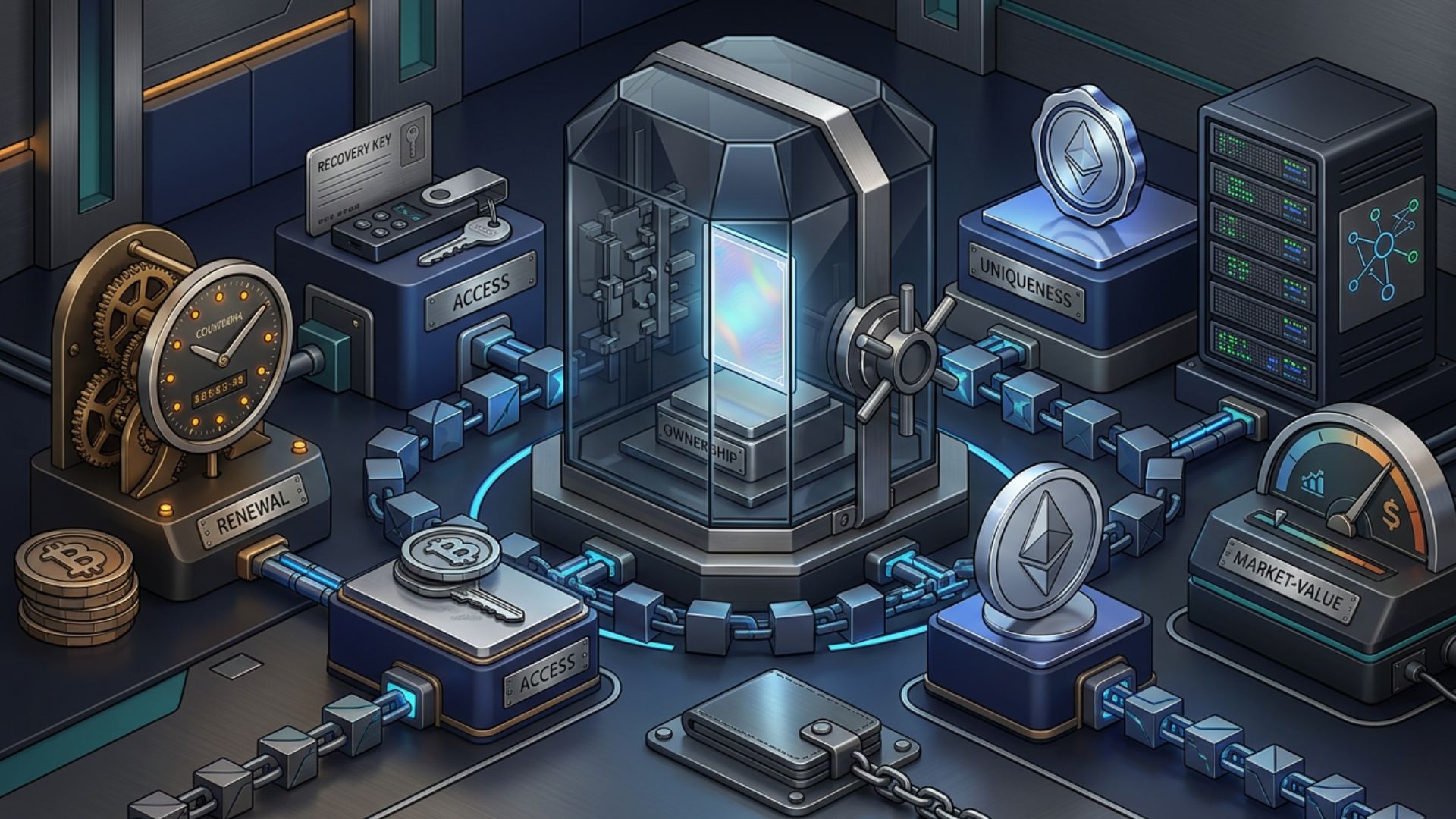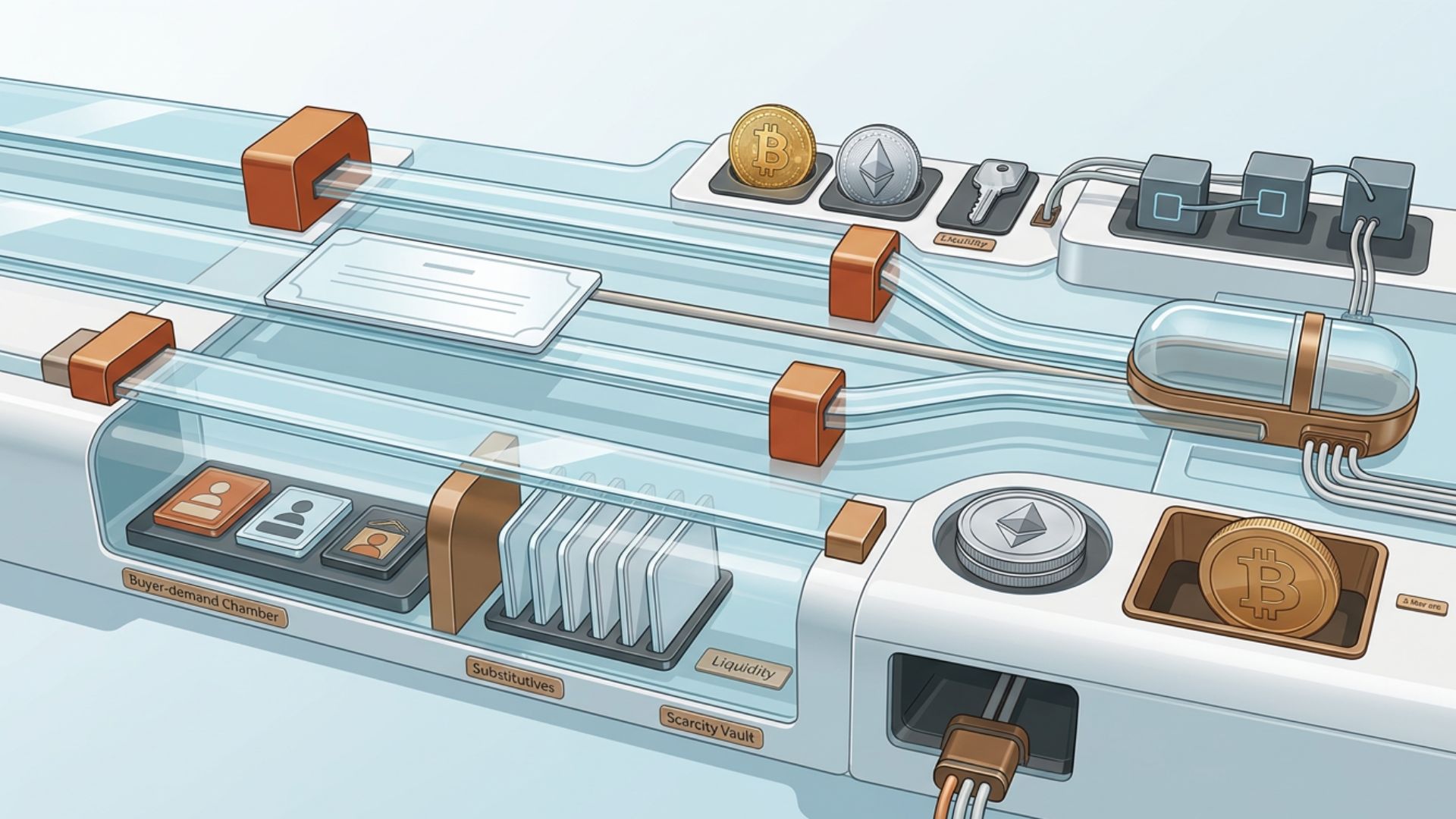

The digital asset market has expanded far beyond cryptocurrencies and NFTs, creating new opportunities for investors seeking scarce, utility-driven assets. Among them, short crypto domains have gained attention for their limited availability, branding potential, and growing role in Web3 identity. Unlike traditional domain names, these blockchain-based identifiers can simplify wallet addresses while serving as unique digital assets within decentralized ecosystems.
In this guide, we’ll explore what makes short crypto domains valuable, the factors that influence their worth, the risks investors should consider, and how to evaluate potential opportunities before investing.
What Are Short Crypto Domains?
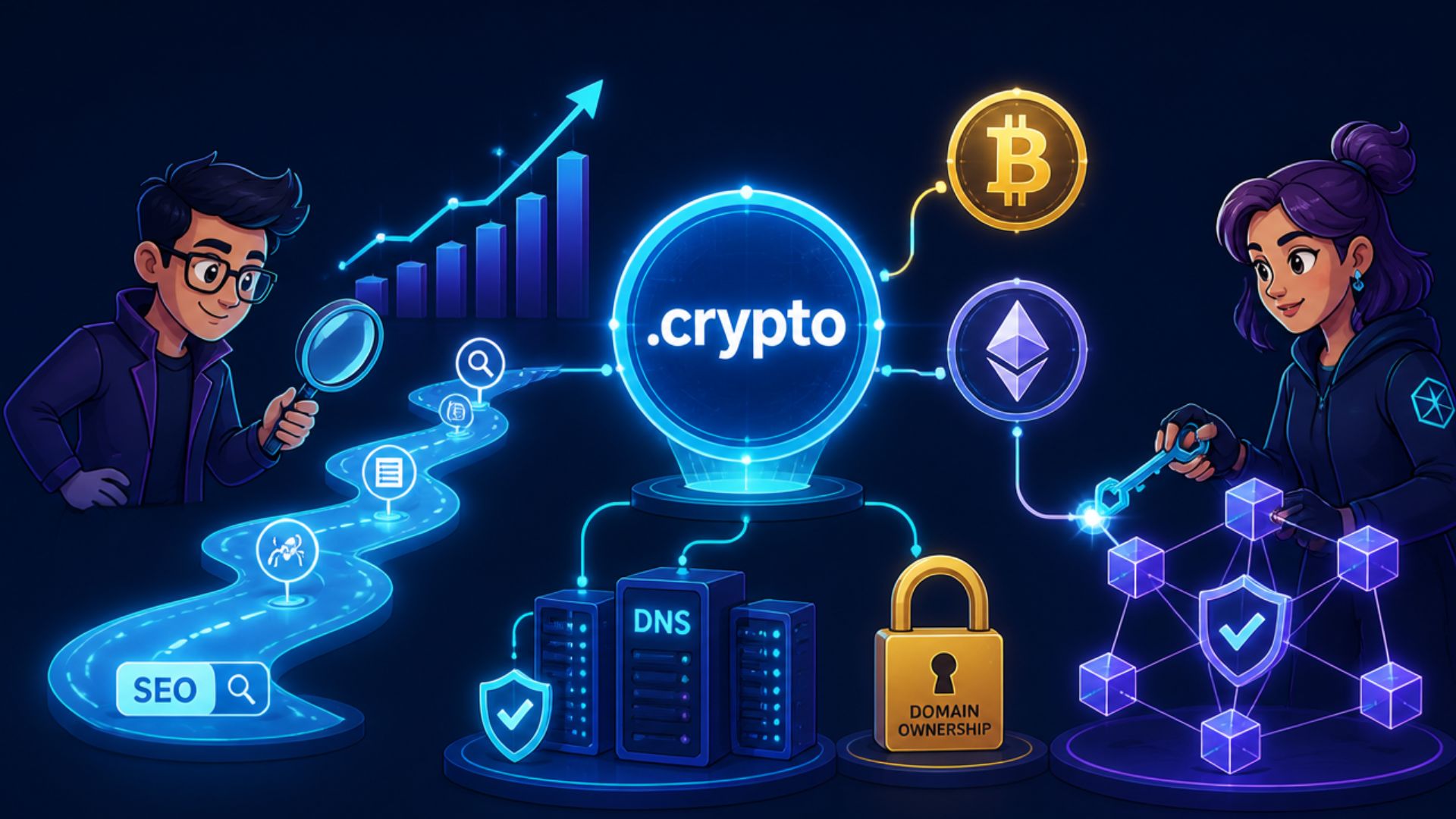
Short crypto domains are blockchain-based domain names consisting of a small number of characters or concise, memorable words. Unlike traditional domain names managed through the Domain Name System (DNS), they are recorded on a blockchain and can serve as human-readable wallet addresses, digital identities, or identifiers for compatible Web3 applications.
Although there is no universal length requirement, names with one to four characters, common abbreviations, and short dictionary words are generally considered “short” because they are easier to remember and harder to obtain. Popular platforms such as Ethereum Name Service (ENS) and Unstoppable Domains offer these blockchain-based names, each with its own supported extensions and ecosystem. The characteristics that make these domains highly sought after are explored in the next section.
Why Are Short Crypto Domains Considered Rare Digital Assets?
Limited Supply Creates Digital Scarcity
Unlike physical collectibles, digital assets can often be copied without limit. Blockchain domain names are different. Within a specific namespace, such as .eth, each name is unique and can only have one owner at a time. This means once a desirable short name is registered, the identical name cannot be issued again within that extension.
Short Names Are Easier to Remember and Brand
Concise names are easier to recognize, type, and share than longer alternatives. They also offer stronger branding potential for individuals, businesses, and Web3 projects looking for a simple and recognizable digital identity. These practical advantages often make shorter names more desirable than longer or more complex combinations.
Demand Can Increase While Supply Cannot
While new blockchain domain extensions may be introduced over time, the supply of premium names within an existing extension remains fixed. As more users, businesses, and developers adopt Web3 technologies, competition for high-quality names can increase without expanding the available inventory. This imbalance between supply and demand is a key reason premium blockchain domains continue to attract attention.
Similar to Premium Traditional Domains
The same principle has long existed in the traditional domain market, where short, memorable .com names often command premium prices because they are unique and cannot be duplicated. Blockchain domains follow a similar scarcity model, but they also support Web3-specific functions such as wallet addressing and decentralized identity, giving them value beyond branding alone.
What Determines the Value of a Short Crypto Domain?
Several factors can influence the value of a short crypto domain. Rather than relying on a single characteristic, buyers typically evaluate a combination of the following:
- Character length: Shorter names generally have a smaller number of possible combinations, making them more limited in supply.
- Memorability: Simple words, common abbreviations, and easy-to-remember combinations are often more appealing than random strings of characters.
- Brandability: Names that are easy to recognize and align with a business, product, or personal brand tend to have broader appeal.
- Market demand: Value ultimately depends on whether there are buyers interested in a particular name or niche.
- Blockchain ecosystem: Adoption and recognition of the underlying domain extension, such as .eth or .crypto, can influence demand.
- Comparable sales: Previous sales of similar domains help buyers estimate market value, although past performance does not guarantee future prices.
- Utility: Domains that support practical use cases, such as wallet addresses, decentralized identity, or Web3 applications, may attract greater interest than those with limited functionality.

How Investors Use Short Crypto Domains
Long-Term Investment
Some investors purchase premium blockchain domains with the expectation that they may appreciate in value over time. This strategy often focuses on scarce names with strong branding potential or broad market appeal. However, future value depends on factors such as demand, adoption, and overall market conditions, making appreciation uncertain rather than guaranteed.
Digital Identity and Personal Branding
Blockchain domains can function as a consistent digital identity across compatible Web3 platforms. They also replace long wallet addresses with a human-readable name, making transactions easier while helping individuals, creators, and organizations establish a recognizable online presence. 0search8
Business and Brand Protection
Some businesses register blockchain domains that match their brand names to strengthen their Web3 presence and reduce the risk of impersonation within supported ecosystems. This approach is similar to securing traditional domain names and social media handles as part of a broader brand protection strategy.
Collecting Rare Digital Assets
Some buyers view premium blockchain domains as collectible digital assets because of their limited supply and uniqueness. Similar to premium traditional domains, rare names may attract interest from collectors who value scarcity and exclusivity, regardless of immediate practical use.
Portfolio Diversification
Some investors include blockchain domains as part of a broader digital asset portfolio alongside cryptocurrencies and other Web3 assets. Since these domains are influenced by different market dynamics, they may offer an alternative way to gain exposure to the evolving blockchain ecosystem, although they remain subject to market and adoption risks.
Risks and Challenges Investors Should Consider
While short crypto domains can offer investment potential, they also carry risks that buyers should evaluate before making a purchase. Understanding these challenges can help investors make more informed decisions and avoid unrealistic expectations.
- Market volatility: Prices can fluctuate significantly based on overall cryptocurrency and Web3 market conditions.
- Liquidity limitations: Selling a premium domain may take time, especially if there are few buyers interested in a specific name.
- Platform adoption: Demand often depends on the growth and continued use of the blockchain ecosystem supporting the domain extension.
- Trademark concerns: Registering names that infringe on existing trademarks may lead to legal disputes or restrictions.
- Security risks: Ownership is typically tied to a crypto wallet, so protecting private keys and recovery methods is essential to prevent permanent loss of access.
- No guaranteed returns: Scarcity alone does not guarantee appreciation. A domain’s future value depends on demand, utility, and market conditions.
Conclusion
Short crypto domains have become a unique category of digital assets because they combine scarcity, practical utility, and branding potential within the growing Web3 ecosystem. Their value is influenced by factors such as character length, memorability, market demand, and adoption of the underlying blockchain platform. While these domains can present investment opportunities, they also carry risks, including market volatility, liquidity challenges, and evolving adoption.
Whether you’re an investor, business owner, or Web3 enthusiast, understanding how these assets work and what drives their value is essential before making a purchase. A research-driven approach can help you identify opportunities and make more informed decisions in an evolving digital marketplace.