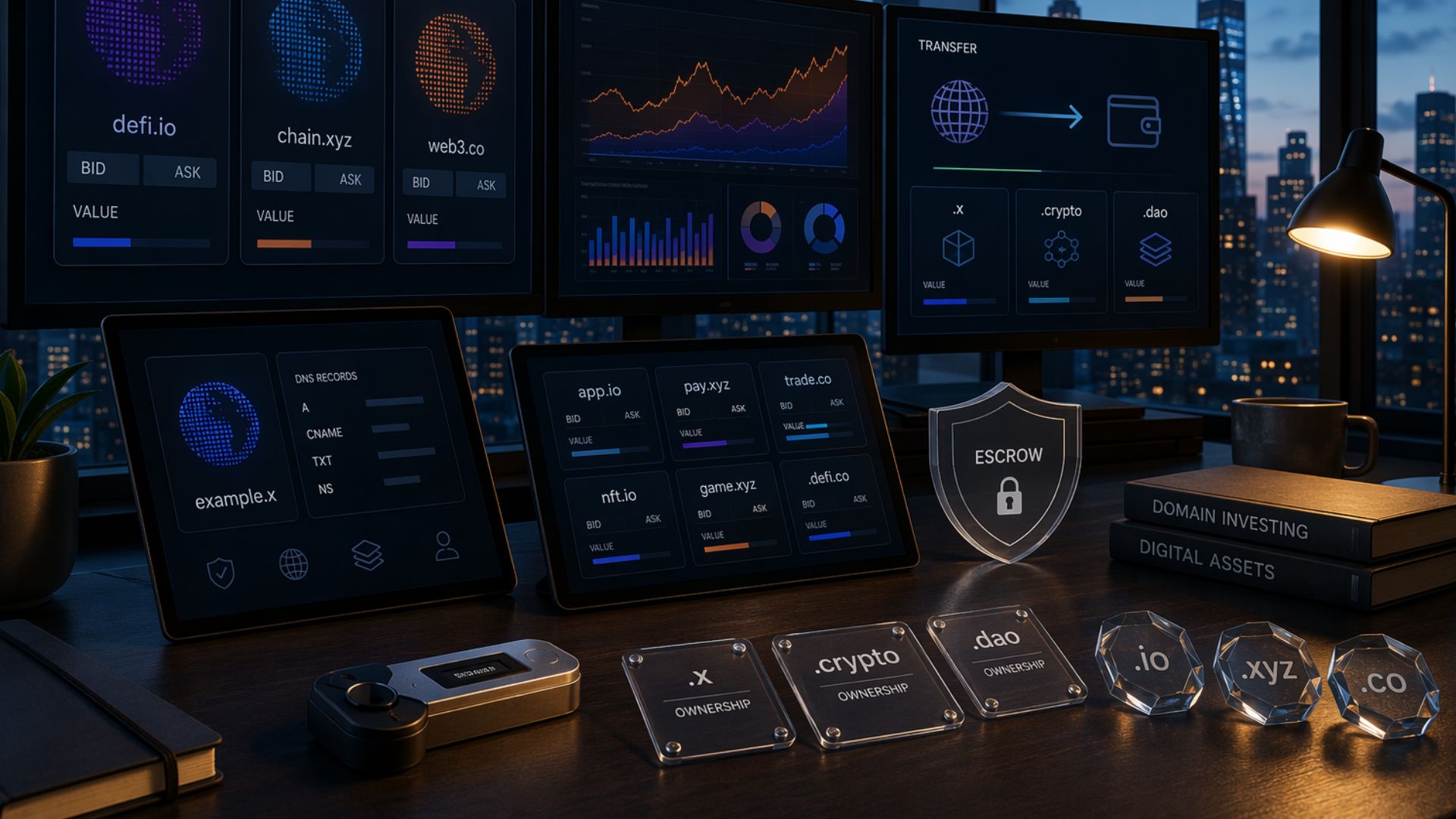
Crypto domains have evolved from niche Web3 tools into digital assets used for cryptocurrency payments, decentralized identity, and online branding. At the same time, the market has become more competitive, making it harder to know which domains are worth buying and how to sell them successfully.
Whether you’re looking to secure a domain for personal use, build a brand, or explore resale opportunities, making informed decisions is essential. In this guide, we’ll explain how to buy and sell crypto domains in 2026, what makes them valuable, and the common mistakes to avoid along the way.
What You Should Know Before Buying a Crypto Domain
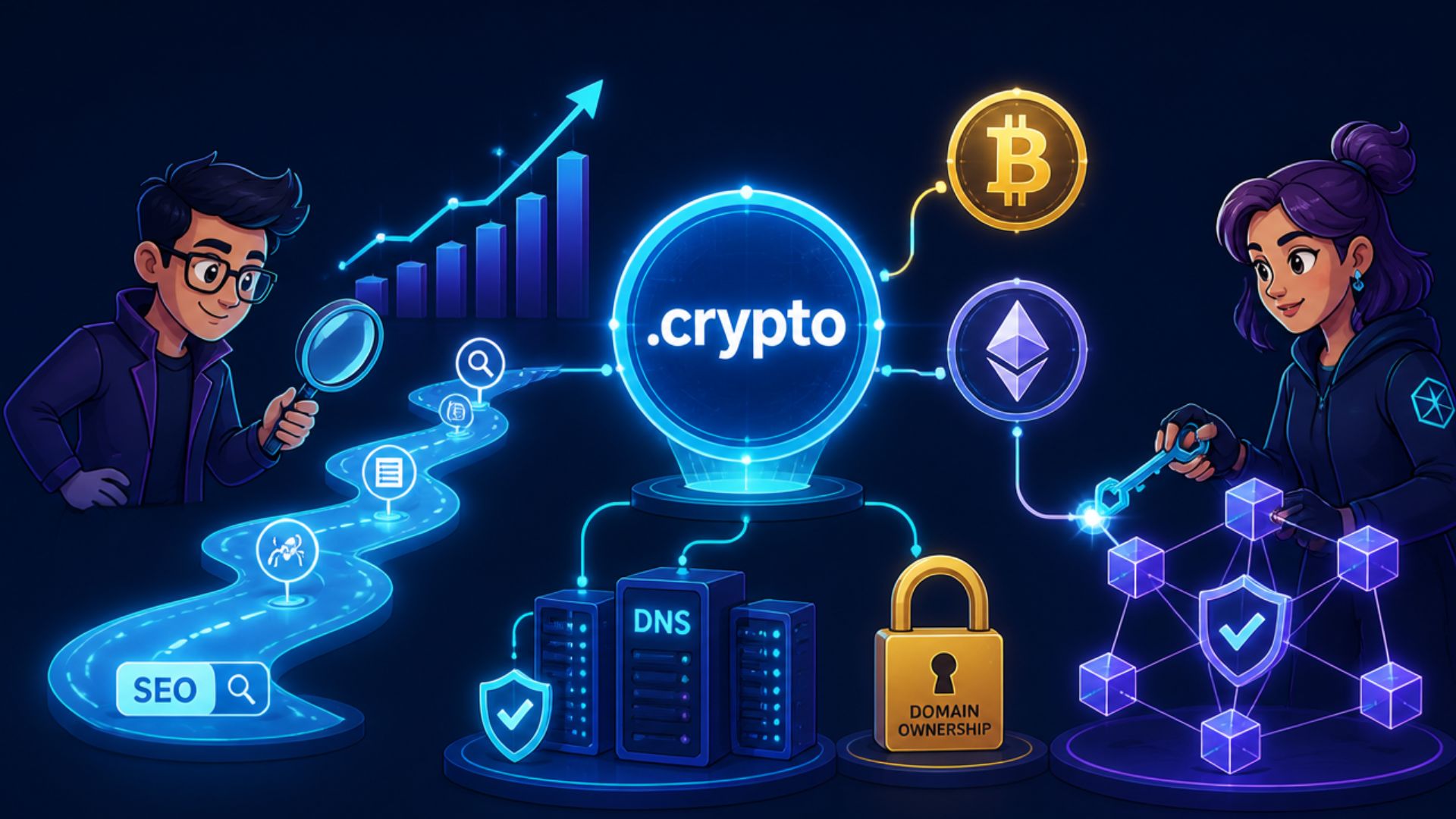
A crypto domain is a blockchain-based domain name that replaces a long cryptocurrency wallet address with a human-readable name, making it easier to send and receive supported digital assets. Many crypto domains can also serve as a digital identity for compatible Web3 applications and services.
Unlike traditional domain names managed through the Domain Name System (DNS), crypto domains are recorded on a blockchain and controlled through a crypto wallet. However, not all crypto domains work the same way. Registration models, supported domain extensions, and compatibility with wallets and decentralized applications vary by provider.
Understanding these differences before you buy a crypto domain will help you choose one that fits your intended use, whether it’s for personal identity, business branding, or future resale.
Buying Crypto Domains: A Practical Checklist Before You Spend Money
Buying a crypto domain starts with knowing why you need one. Whether you’re creating a personal Web3 identity, building a brand, or investing for resale, your goal should guide the type of domain you choose. A name that works well for a business may not be the best option for domain investing, and vice versa.
Define Your Purpose
Decide how you plan to use the domain before you start searching. For example:
- Personal use: Choose a name that’s easy to remember and matches your online identity.
- Business or branding: Look for a domain that aligns with your brand name and is easy for customers to recognize.
- Investment: Focus on names with strong branding potential, broad appeal, and realistic resale demand rather than short-term trends.
Choose a Trusted Marketplace or Provider
Buy crypto domains from established providers or marketplaces with a proven track record. Before purchasing, confirm that the domain extension is supported by the wallets, exchanges, or decentralized applications you intend to use.
Research Before You Buy
A domain’s availability doesn’t automatically make it a good purchase. Take time to:
- Compare similar domain listings and recent sales when available.
- Check whether the name is easy to spell, pronounce, and remember.
- Avoid names that closely resemble existing brands or trademarks.
- Consider whether the domain will remain relevant over the long term rather than relying on temporary trends.
Following these steps can help you buy a crypto domain that serves its intended purpose and is more likely to retain its value over time.
What Actually Makes a Crypto Domain Valuable?
Not every crypto domain has strong resale potential or long-term value. While prices are ultimately determined by what buyers are willing to pay, the following factors can help you evaluate whether a domain is worth buying or selling.
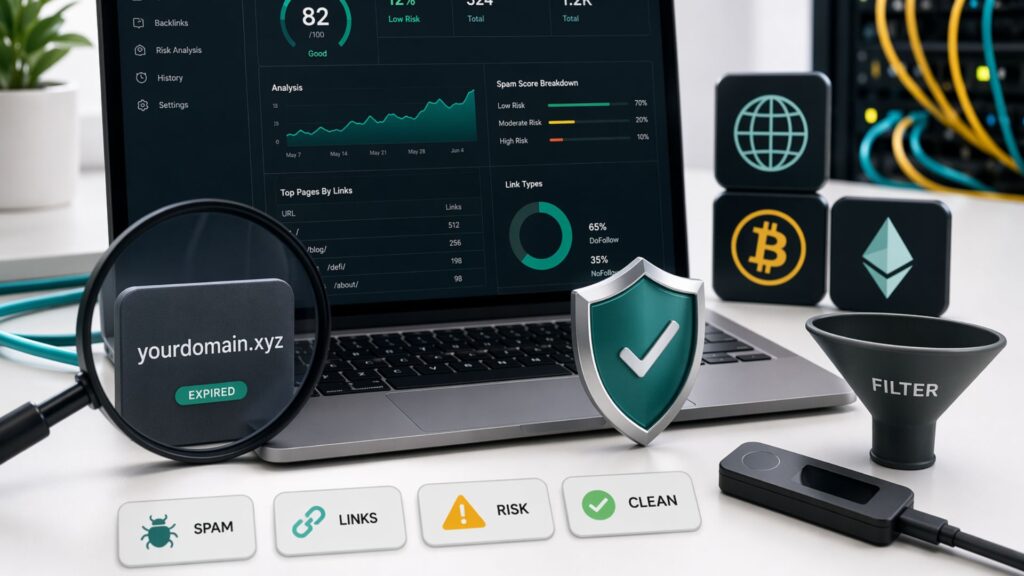
- Short and memorable names: Domains that are easy to spell, pronounce, and remember are generally more desirable than long or complex names.
- Strong brand potential: Generic words, business-friendly names, and versatile terms often appeal to a wider range of buyers than highly specific or trend-based names.
- Relevant keywords: Keywords with consistent demand can increase a domain’s appeal, especially if they align with growing industries or common search terms. However, avoid registering names that include trademarks or established brand names.
- Recognized domain extensions: Some crypto domain extensions have broader adoption and ecosystem support than others. Choosing an extension that works with the wallets, applications, or services you plan to use can improve its long-term value.
- Real-world utility: A domain that can simplify crypto payments, represent a digital identity, or integrate with supported Web3 applications offers more practical value than one held purely for speculation.
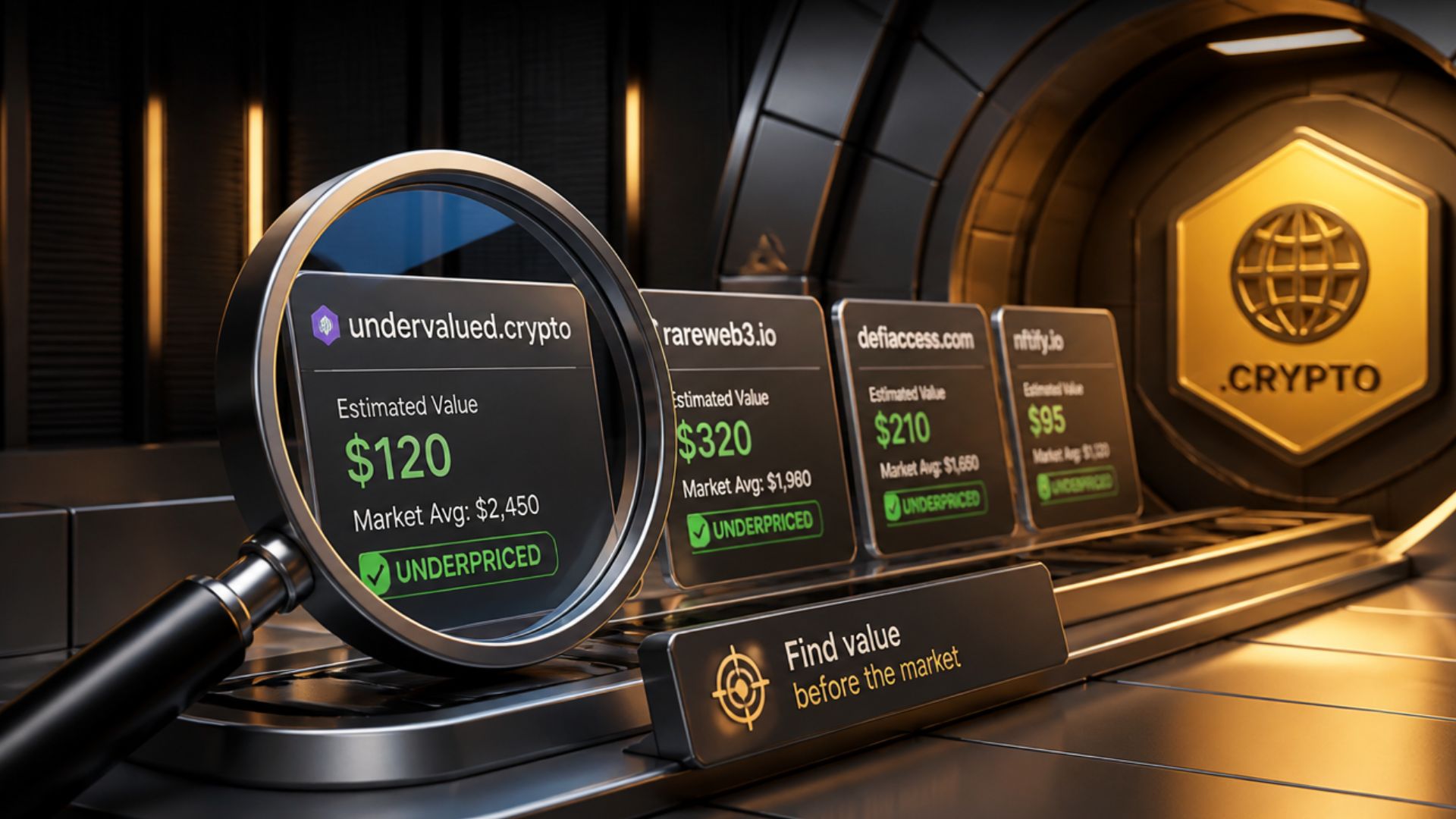
- Market demand: The value of any crypto domain depends on buyer interest. Research comparable listings and recent sales, when available, to understand what similar domains are selling for, rather than relying solely on the seller’s asking price.
Note: A high listing price doesn’t necessarily mean a crypto domain is valuable. Demand, usability, and market interest are far more reliable indicators than price alone.
Selling Crypto Domains Without Guesswork
Selling a crypto domain involves more than listing it for sale and waiting for offers. Choosing the right marketplace, setting a realistic price, and making the domain appealing to buyers can significantly improve your chances of a successful sale.
Choose the Right Marketplace
List your domain on a reputable marketplace that supports your domain extension. Some providers have their own marketplaces, while others allow domains to be traded on compatible third-party platforms. Using a trusted marketplace helps simplify the buying process and ensures ownership is transferred securely.
Set a Realistic Price
Research comparable listings and recent sales before setting your asking price. Pricing a domain far above market value can discourage buyers, while pricing it too low may leave money on the table. If you’re unsure of its value, consider accepting offers instead of setting a fixed price.
Create a Clear Listing
Help buyers understand why your domain is worth considering. Include relevant details, such as:
- The domain extension
- Potential use cases
- Brand or industry relevance
- Any features or compatibility that add value
Keep the description factual and avoid making unrealistic claims about future value or guaranteed returns.
Be Prepared to Negotiate
Many domain sales involve negotiation. Decide in advance the lowest price you’re willing to accept and respond promptly to serious buyers. A reasonable and flexible approach often leads to better outcomes than holding out for an unrealistic price.
No-Nonsense Tip: Most crypto domains don’t sell overnight. A competitive price, strong branding potential, and genuine buyer demand have a much bigger impact on a successful sale than simply waiting for the right offer.
Common Mistakes That Cost Buyers and Sellers Money
Even experienced buyers and sellers make costly mistakes. Avoiding these common pitfalls can help you make better decisions and reduce unnecessary risk.
- Buying based on hype instead of demand: Trending keywords and new domain extensions don’t automatically hold long-term value. Focus on names with practical use and lasting appeal.
- Ignoring trademark conflicts: Registering domains that include existing brand names can lead to legal disputes and make resale difficult or impossible.
- Skipping market research: Don’t rely on a seller’s asking price alone. Compare similar listings and recent sales to determine whether a domain is fairly priced.
- Setting unrealistic expectations: Not every crypto domain will appreciate in value or sell quickly. Demand depends on factors such as branding, utility, and buyer interest.
- Using unsupported platforms or services: Before buying or selling, confirm that the domain extension is supported by the wallets, marketplaces, or Web3 applications you plan to use.
Conclusion
Buying and selling crypto domains in 2026 requires more than finding an available name or listing one for sale. Understanding how crypto domains work, what influences their value, and how the market operates can help you make more informed decisions and avoid costly mistakes.
Crypto domains continue to offer practical value for digital identity, branding, and cryptocurrency transactions where supported. Whether you’re buying a crypto domain for personal use, business, or investment, focus on names with genuine utility, realistic market demand, and long-term potential instead of short-lived trends. A research-driven approach will put you in a much stronger position to buy confidently, sell effectively, and navigate the market with realistic expectations.