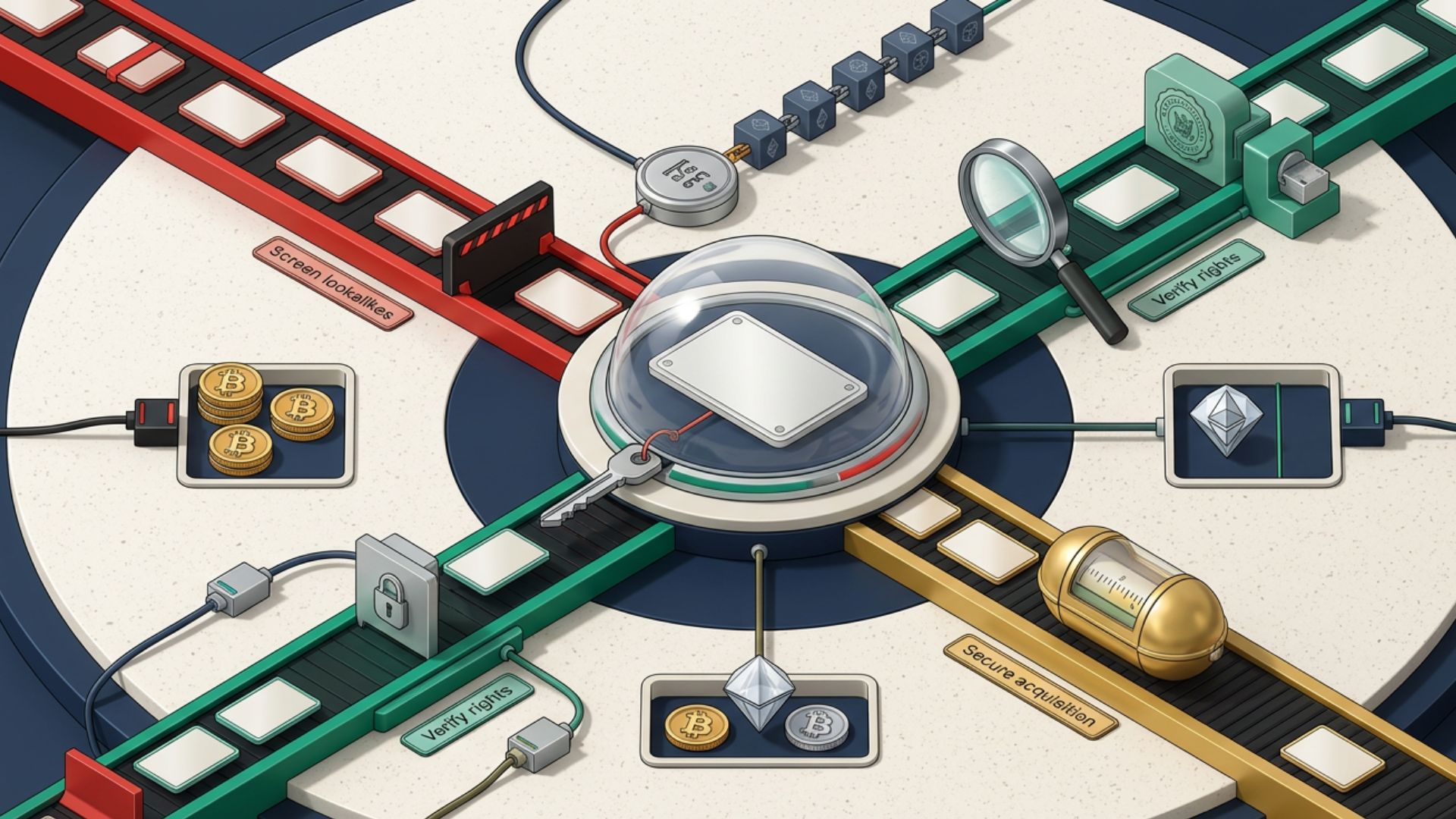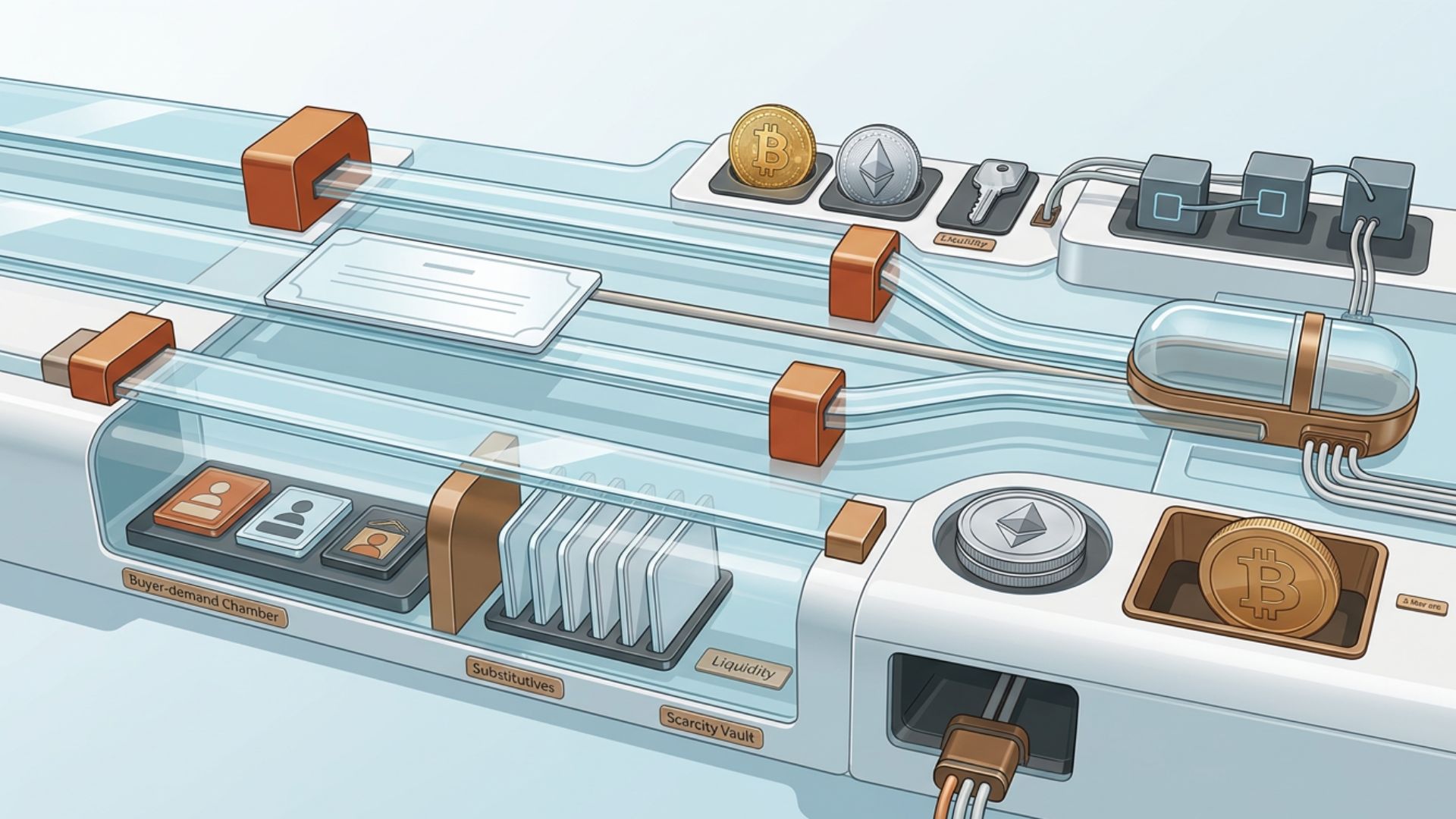
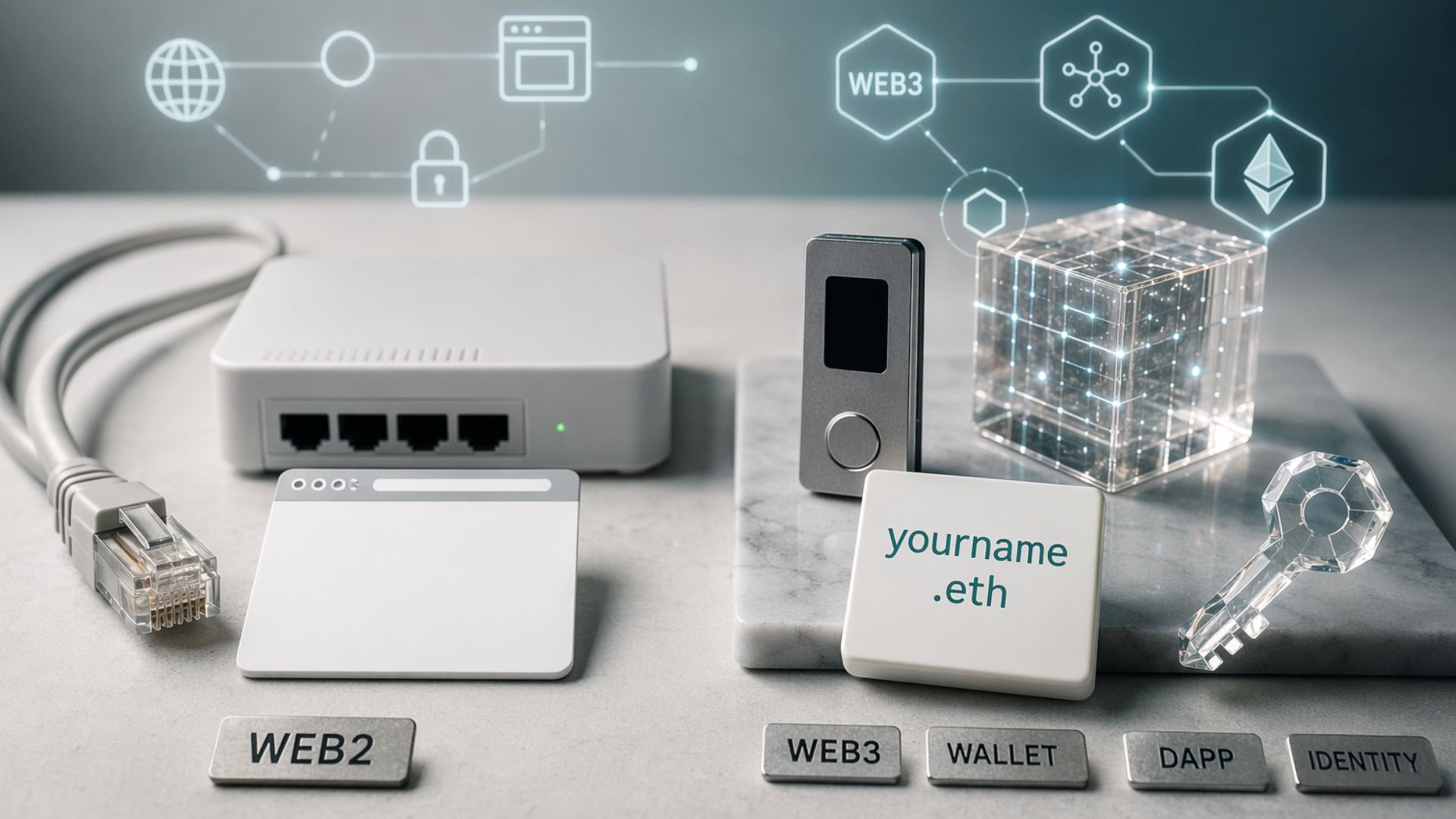
Domain names have long served as the foundation of the internet, making websites easier to find and remember. As Web3 technologies continue to grow, a new type of domain has emerged, leading many people to assume it works just like the domains they’ve used for years. In reality, that assumption can lead to confusion because Web3 domains were designed with a different purpose in mind.
In this guide, we’ll explore what sets Web3 domains apart, how they differ from traditional domains, and why understanding those differences matters before deciding whether to use one.
The Biggest Misconception About Web3 Domains
One of the biggest misconceptions about Web3 domains is that they’re simply another type of domain extension, similar to .com, .net, or .org. Since names like .eth and .crypto follow the same familiar format, it’s easy to assume they work the same way as traditional domains.
In reality, the similarity is mostly superficial. While both use human-readable names, Web3 domains weren’t created as an alternative version of the traditional domain system. They were developed to support a different way of interacting online, with different goals, rules, and capabilities. Understanding that distinction is the first step toward understanding why Web3 domains are fundamentally different from the domains most people already know.
Web3 Domains Were Built for a Different Purpose
Traditional domain names were created to make websites easier to find by translating IP addresses into memorable names. Web3 domains were created to solve a different problem. As blockchain networks and decentralized applications grew, users needed a simple way to identify wallet addresses, digital identities, and other on-chain resources that traditional domains were never designed to handle.
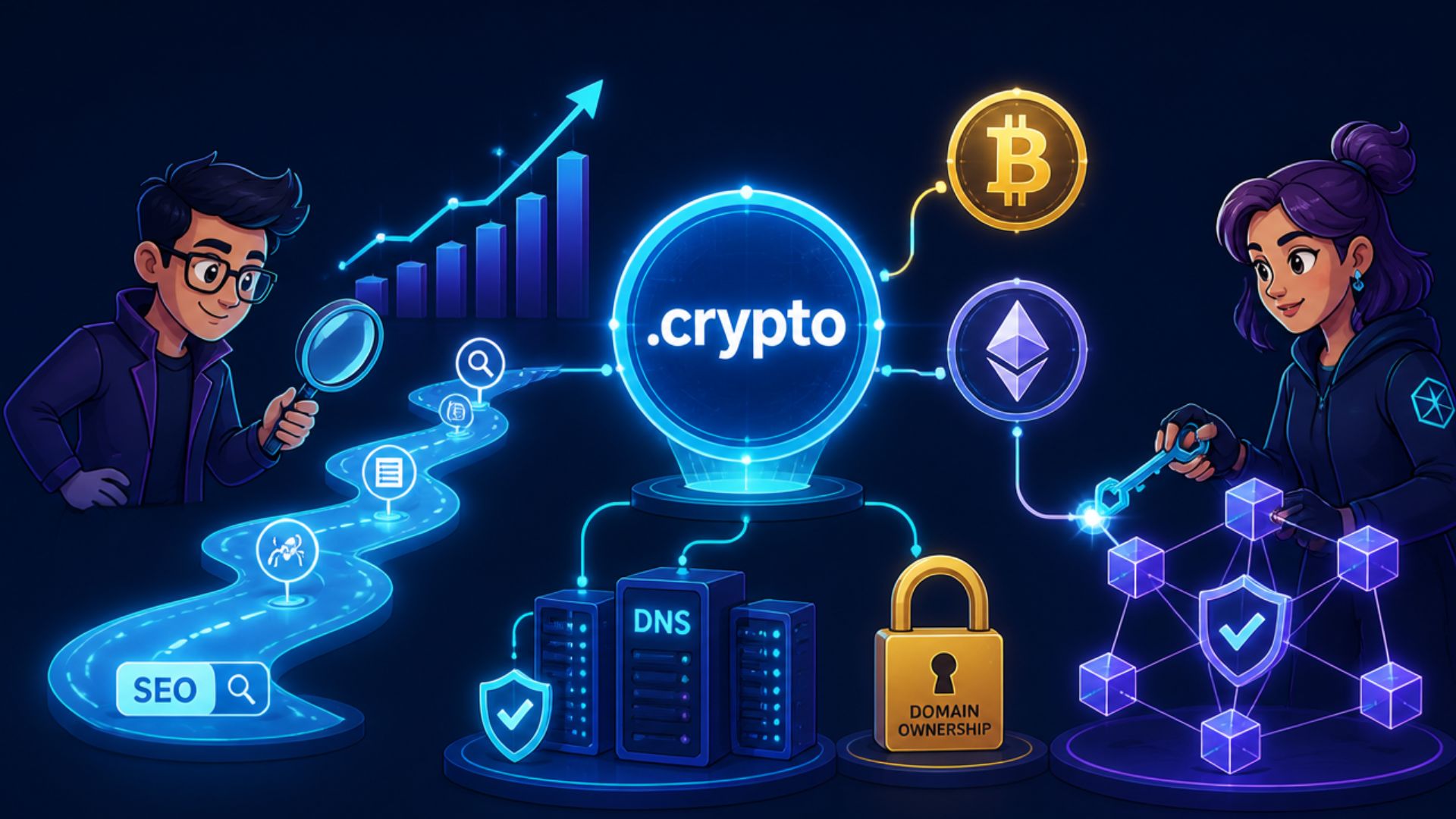
Because of that, a Web3 domain represents more than a website address. It can act as a single, human-readable identifier for cryptocurrency wallets, decentralized applications (dApps), digital profiles, and other blockchain-based services. This broader role is what sets Web3 domains apart. Instead of existing solely to direct people to websites, they help users establish and manage their identity across the Web3 ecosystem.
Ownership Is Built Into the Domain
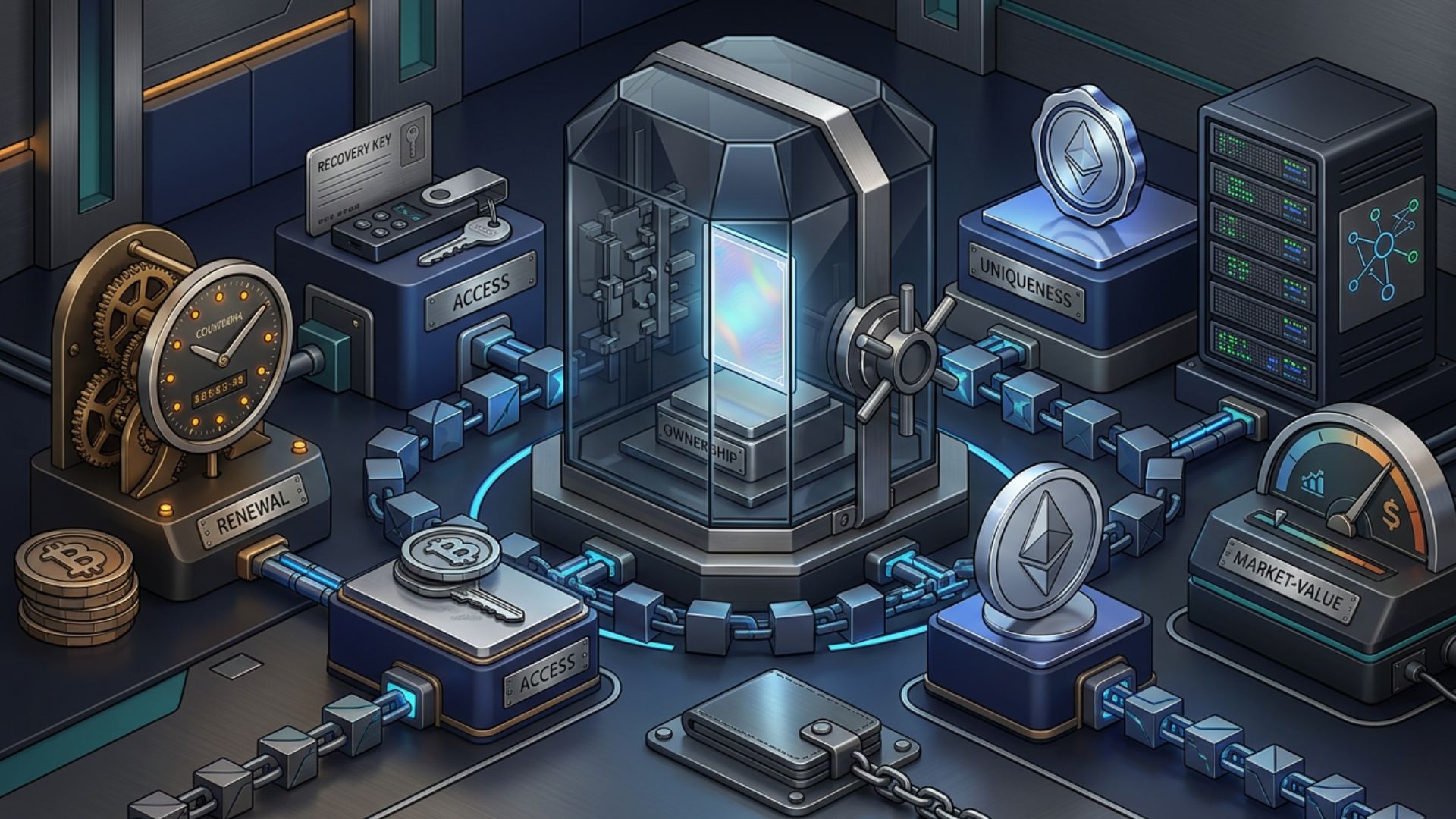
Ownership is one of the biggest differences between traditional and Web3 domains. A traditional domain is registered through an accredited registrar, which manages the registration and renewal process. A Web3 domain, by contrast, is recorded on a blockchain and controlled through the owner’s crypto wallet. Depending on the naming service, this gives users direct control over their domain without relying on a central registrar.
That control also comes with greater responsibility. If you lose access to the wallet that holds your Web3 domain, you may not be able to recover it. It’s also important to understand that ownership rules vary between providers. For example, if you buy a crypto domain with the .eth extension through ENS, you’ll need to renew it periodically to maintain ownership. By comparison, many crypto domains offered by Unstoppable Domains are purchased with a one-time fee and don’t require recurring renewals.

Blockchain Changes How Domains Are Managed
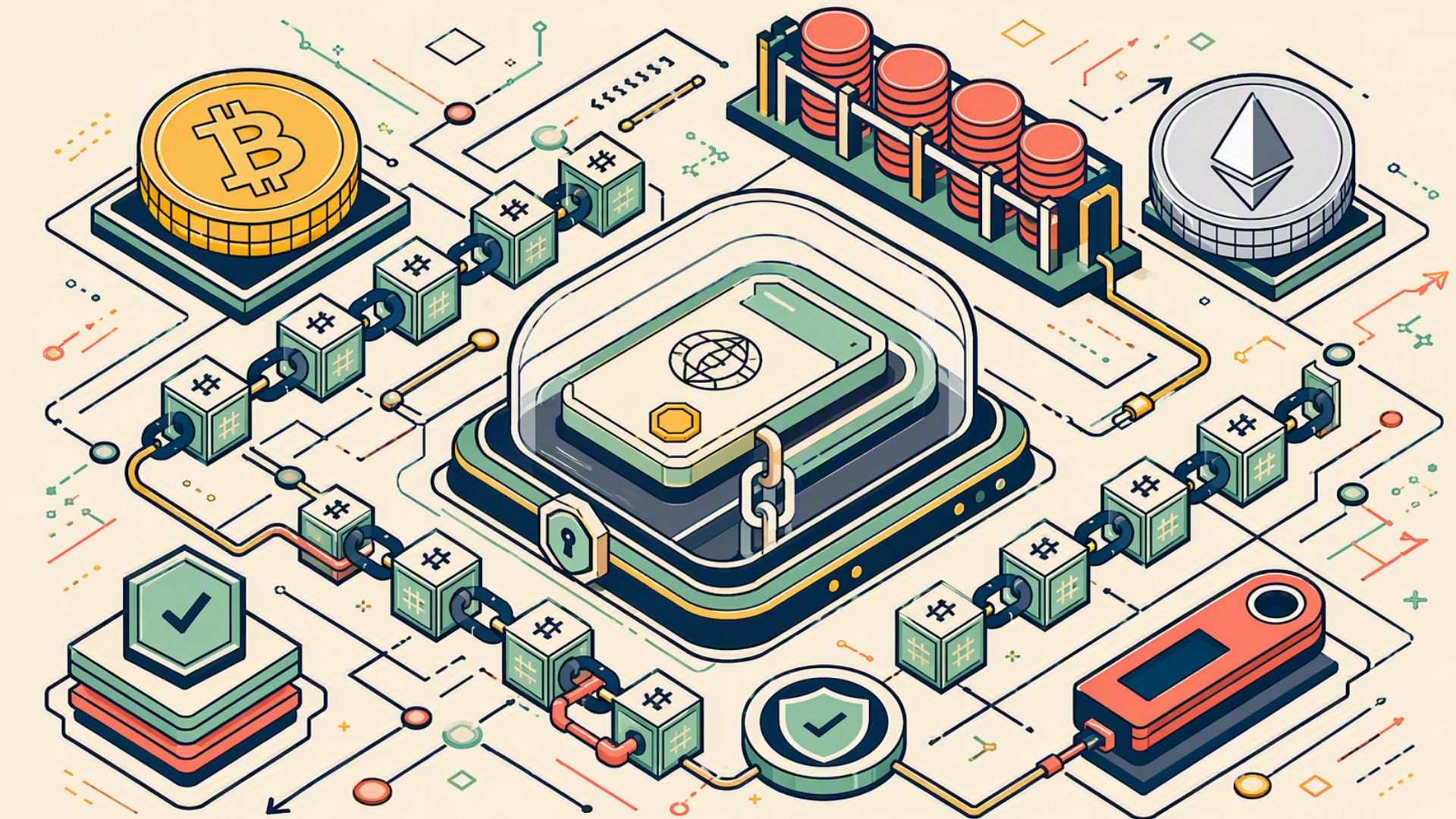
Traditional domains rely on the Domain Name System (DNS), which uses a network of servers to translate domain names into IP addresses so browsers can locate websites. Web3 domains use a different approach. Instead of DNS records, they store domain information on a blockchain, where smart contracts manage registration, ownership records, and updates according to predefined rules.
When a supported wallet, browser, or application looks up a Web3 domain, it reads the blockchain records associated with that name to retrieve the linked wallet address, decentralized website, or other on-chain data. Because this process depends on blockchain infrastructure rather than the traditional DNS, Web3 domains require compatible applications to resolve and use them correctly.
Web3 Domains Work Alongside Traditional Domains
Despite their capabilities, Web3 domains are not a replacement for traditional domains. Standard domains remain essential for websites, email, and services that rely on the Domain Name System (DNS), and they work across all major browsers and internet infrastructure. By comparison, Web3 domains depend on compatible wallets, browsers, and applications, which means their functionality is still limited outside the Web3 ecosystem.
For many individuals and businesses, the best approach is to use both. A traditional domain can continue serving as a public website address, while a Web3 domain can simplify cryptocurrency transactions, establish an on-chain identity, and enable interactions with decentralized applications. As support for Web3 technologies continues to expand, these two naming systems are more likely to complement each other than compete for the same role.
What This Means for the Future of Digital Identity
Web3 domains reflect a broader shift in how people establish and manage their digital presence. Instead of using separate identifiers for websites, cryptocurrency wallets, and decentralized applications, a single Web3 domain can consolidate these services under a single recognizable name. As more blockchain-based platforms adopt decentralized identity standards, Web3 domains are likely to play a larger role in how users interact across the Web3 ecosystem.
That doesn’t mean traditional domains are becoming obsolete. They remain essential for websites and the broader internet. Instead, Web3 domains introduce a new layer of digital identity that complements the existing domain system, giving individuals and businesses additional ways to establish, manage, and verify their presence online as decentralized technologies continue to evolve.
Conclusion
Web3 domains challenge the idea that a domain name exists only to help people find a website. By introducing a different approach to naming, ownership, and digital identity, they expand what a domain can represent in a decentralized environment. Understanding this distinction is more important than simply knowing how Web3 domains work because it changes how they’re evaluated and where they provide value.
As the internet continues to evolve, traditional and Web3 domains are likely to serve different but complementary roles. Whether you’re exploring blockchain technology, building a Web3 application, or simply trying to understand where the internet is heading, recognizing the purpose behind each naming system will help you make more informed decisions about your digital presence.