
Backlinks can support a crypto website’s search visibility, but their value depends on more than whether they are dofollow or nofollow. Understanding these link attributes helps crypto businesses evaluate link-building opportunities, avoid risky paid placements, and make informed SEO decisions.
This guide compares dofollow and nofollow backlinks, explains how Google treats them, and examines their role in crypto SEO. It also covers how to check link attributes, assess paid and editorial placements, and choose backlink opportunities based on relevance, credibility, and potential audience value rather than ranking assumptions alone.
What Are Dofollow and Nofollow Backlinks?
What Is a Dofollow Backlink?
A dofollow backlink is a standard link that does not have a qualifying rel attribute, such as nofollow or sponsored. The term “dofollow” is commonly used in SEO, but it is not an HTML attribute you need to add to a link.
When a relevant website links to a crypto business’s page, Google can use that link as a signal when evaluating the page. For example, a blockchain research publication linking to an exchange’s security guide may help Google understand the relationship between the two pages. However, the link alone does not guarantee better rankings.
What Is a Nofollow Backlink?
A nofollow backlink includes the HTML attribute rel=”nofollow”, which signals that the publisher does not want to imply the usual endorsement relationship with the linked page.
For example, a crypto publication may apply nofollow to a link when it does not want to endorse the destination in the usual way. Google treats this attribute as a hint when deciding how to handle the link, not as an absolute rule.
A nofollow link can still send visitors to a website. Its practical value depends on the source, context, and audience, not just the attribute.
Dofollow vs. Nofollow Backlinks: What’s the Difference?
The main difference is the link attribute and how Google interprets it. Both types can send visitors to a crypto website, but they do not carry the same signals for search engines.
| Comparison point | Dofollow backlink | Nofollow backlink |
| HTML attribute | No qualifying rel attribute | Uses rel=”nofollow” |
| Purpose | A standard link without a special qualification | Signals that the publisher does not want to imply the usual endorsement relationship |
| Google treatment | Can contribute to PageRank and other link signals | Treated as a hint, not an absolute directive |
| Ranking impact | May contribute to ranking signals, but results are not guaranteed | Google may consider the link, but ranking benefits are not guaranteed |
| Referral traffic | Can send visitors to the linked page | Can also send visitors to the linked page |
| Common example | An editorial link in a relevant blockchain research article | A link in a crypto community discussion where the platform applies nofollow |
| Crypto SEO consideration | Assess relevance, editorial context, and publisher credibility | Assess the same factors, along with potential referral traffic and brand exposure |
One important distinction: Paid placements should generally use rel=”sponsored”, while links in user-generated content may use rel=”ugc”. Google also accepts nofollow for qualifying paid links. These attributes describe the link relationship; they don’t automatically determine the link’s overall marketing value.
How Do These Differences Affect Crypto SEO?
For crypto websites, a backlink’s value depends on more than its attributes. A standard link may contribute to Google’s ranking signals, while a nofollow link can still bring relevant visitors to a page. The right choice depends on the publisher, the content, and the placement’s purpose.
When Can a Standard Backlink Support Crypto SEO?
A standard backlink from a relevant publication can help Google discover a page and assess its relationship to other content. For example, a blockchain security publication linking to a crypto exchange’s security guide provides a relevant connection between the two pages.
However, the link’s presence alone does not guarantee higher rankings. A link from an unrelated website or a page with little editorial value should not automatically be considered a strong SEO opportunity just because it is dofollow. Surrounding content, publisher credibility, and the reason for linking also matter.
When Can a Nofollow Backlink Still Be Useful?
A nofollow link can be worthwhile when it reaches an audience likely to engage with the linked content. For example, a crypto wallet provider mentioned in a relevant industry publication may gain referral traffic and brand exposure even when the link uses rel=”nofollow”.
This is particularly relevant for crypto businesses building visibility in specialized communities. A link from a credible blockchain discussion or industry resource may introduce the brand to potential users, even if it doesn’t pass ranking credit.
How Should Crypto Businesses Evaluate Paid and Editorial Backlinks?
Crypto businesses may earn links through industry coverage, contribute content to publications, or pay for sponsored placements. Each opportunity needs a different evaluation. The link attribute matters, but so do the placement’s purpose, the publisher’s audience, and how the link is presented.
What Is the Difference Between Earned, Sponsored, and User-Generated Links?
Earned editorial links are added because a publisher considers a page useful or relevant to its readers. For example, a blockchain publication might reference a crypto exchange’s research when discussing market security.
Sponsored links appear as part of a paid promotion or advertising arrangement. Google recommends using rel=”sponsored” to identify these links. Using rel=”nofollow” is also acceptable, but paid links intended to manipulate search rankings can violate Google’s spam policies if they are not properly qualified.
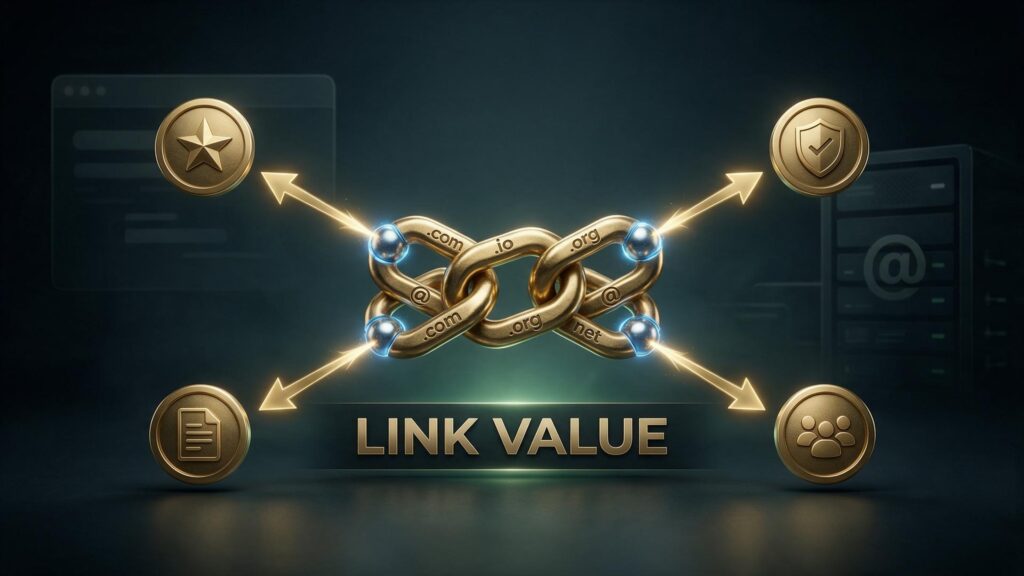
User-generated links appear in content such as forum posts, comments, or community discussions. Publishers can use rel=”ugc” to identify these links, or nofollow where appropriate.
These distinctions describe why a link exists, not whether it will be valuable. A sponsored placement may reach the right audience, while an earned link may have little impact if the page is unrelated to the business.
What Makes a Crypto Backlink Worth Pursuing?
Before investing time or money in a placement, evaluate these factors:
- Topical relevance: Does the publisher cover cryptocurrency, blockchain, fintech, security, or a subject closely related to the linked page?
- Publisher credibility: Does the website publish useful, trustworthy content for a real audience, or does it primarily exist to sell links?
- Editorial context: Does the link support the surrounding discussion, or has it been inserted mainly for SEO?
- Audience value: Are readers likely to find the destination useful and visit it?
- Placement transparency: Is the link earned, sponsored, or user-generated, and is it qualified appropriately?
- Destination quality: Does the linked page provide information that supports the reference, such as a security guide, original research, or a detailed product explanation?
A high domain metric alone is not enough to justify a placement. For example, a paid link on a general website with little connection to cryptocurrency may be less useful than a relevant mention in a smaller specialist publication. Evaluate the actual page, audience, and context rather than relying on a single SEO metric.
How Can You Check Whether a Crypto Backlink Is Dofollow or Nofollow?
You can check a backlink’s attributes by inspecting its HTML or using an SEO tool. This helps verify whether a link uses nofollow, sponsored, or ugc instead of relying solely on a backlink report.
How to Inspect the Link’s HTML
Open the page containing the link, right-click the link, and select Inspect in your browser. Find the link’s HTML element and check its rel attribute.
For example:
Standard link:
<a href=”https://example.com/crypto-guide”>Crypto guide</a>
Nofollow link:
<a href=”https://example.com/crypto-guide” rel=”nofollow”>Crypto guide</a>
The first example has no qualifying rel attribute, while the second explicitly uses nofollow. You may also see rel=”sponsored” for paid placements or rel=”ugc” for user-generated content.
How to Check Backlinks With SEO Tools
Backlink analysis tools can help you review multiple links without inspecting each page manually. Depending on the tool, you can filter referring links by attributes such as follow and nofollow, then examine the source pages.
Use these reports to identify links worth checking, especially those from crypto publications, industry resources, and sponsored placements. However, verify important links directly when the reported attribute is unclear. Publishers can change links after publication, and third-party tools may not always reflect the current page.
Checking the attribute tells you how the link is marked up. It does not, by itself, establish the link’s quality or its likely effect on search rankings.
Which Backlink Strategy Should a Crypto Website Prioritize?
Crypto websites should prioritize relevant editorial links that support useful content and reach the right audience. The goal is not to collect as many dofollow backlinks as possible, but to earn placements that make sense for the business and comply with Google’s link spam policies.
A practical approach includes three priorities:
- Earn relevant editorial links. Publish original research, security resources, technical guides, or other material that crypto publications have a reason to reference.
- Consider nofollow links when the audience fits. A link from a relevant industry publication or community can still bring referral traffic and introduce the brand to potential users.
- Qualify paid placements correctly. Use rel=”sponsored” for paid links or rel=”nofollow” where appropriate. Do not rely on paid links intended to manipulate search rankings.
Evaluate results through referral traffic, audience engagement, relevant mentions, and organic search performance. Google does not prescribe a universal dofollow-to-nofollow ratio, so you don’t need to target an arbitrary percentage. Instead, focus on earning relevant links through legitimate methods and assess each opportunity on its merits.
Conclusion
Dofollow and nofollow backlinks serve different purposes, but neither attribute alone determines a link’s value. Standard links can contribute to Google’s ranking signals, while nofollow links can still bring relevant visitors and increase brand exposure.
For crypto businesses, the priority should be earning relevant links from credible publishers, evaluating the context of each placement, and qualifying paid links appropriately. Rather than targeting a fixed ratio of link attributes, assess whether each opportunity supports search visibility, reaches the right audience, and follows Google’s link spam policies.